Rio's 'empty forest' is filling with life again
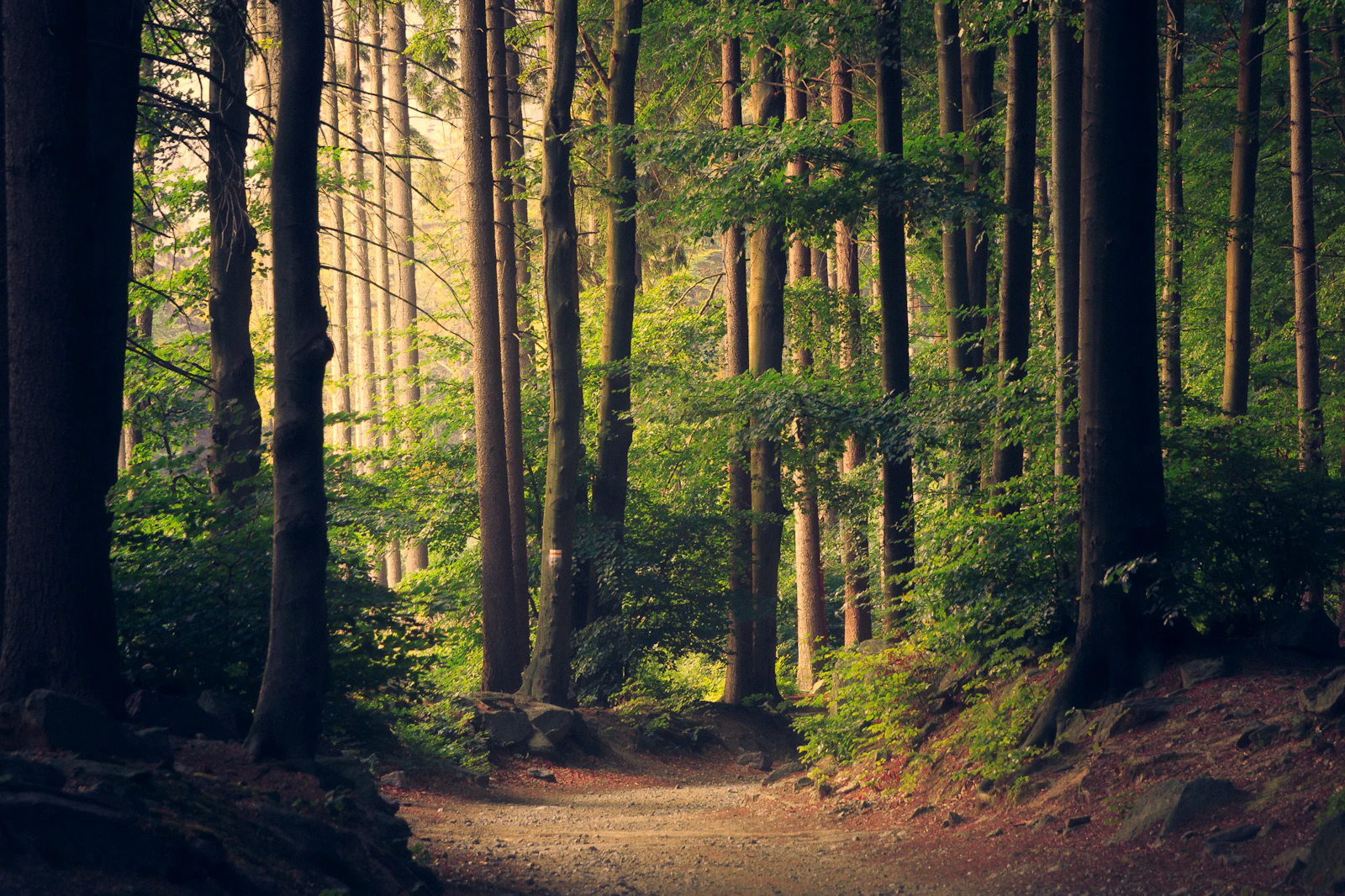
Tijuca is a rainforest with six million neighbours, a green mountain range folded into the city of Rio de Janeiro. Its trees look healthy, but for decades the forest suffered from what ecologists call 'empty forest syndrome': the vegetation intact, yet missing the animals that keep it alive. In the Atlantic Forest, nine out of ten plant species rely on animals to spread their seeds. So the Refauna project, guided by ecologist Alexandra Pires, has been restocking the forest one species at a time. More than sixty agoutis now scamper the understorey, joined by tortoises, brown howler monkeys, and blue and yellow macaws returning after two centuries away.
And the forest is responding. Research published this year found that toucans reintroduced decades ago now disperse seeds for around three quarters of the plants in their original diet, including the threatened juçara palm. There's a longer arc here, too: Tijuca itself was replanted by hand from the 1860s, on hills stripped bare by coffee plantations. A forest that people once replanted tree by tree is now getting its heartbeat back, animal by animal. Patience, it turns out, is the oldest conservation tool of all.
In Ukraine, the wild horses are coming back · Rewilding
Illinois becomes the first US state to make rewilding the law · Rewilding
Let it grow: the quiet joy of rewilding your garden · In the Garden
Good news travels when people pass it on. Get our stories free twice a week, send this one to someone who needs it. And if this story made your morning, you can buy us a coffee. It helps keep these good news stories travelling across the globe.
Subscribe free Send to a friend Shout us a coffee