New today · Places to Explore
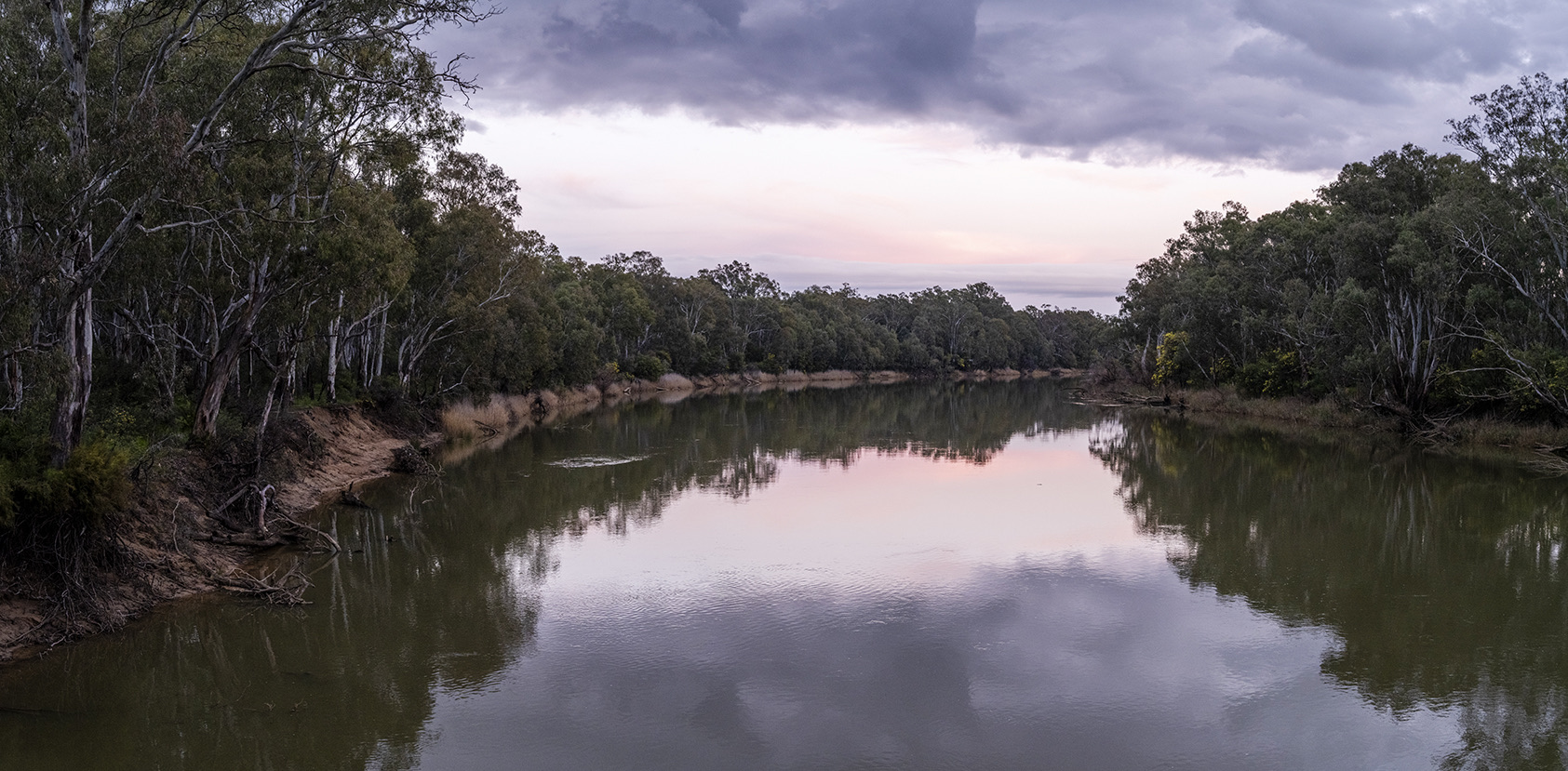
The stretch of the Murray where the stories come out at night
Old eucalypts, an inland beach and a night walk through Bangerang country, on the quiet stretch of the Murray between Cobram and Tocumwal.

Old eucalypts, an inland beach and a night walk through Bangerang country, on the quiet stretch of the Murray between Cobram and Tocumwal.
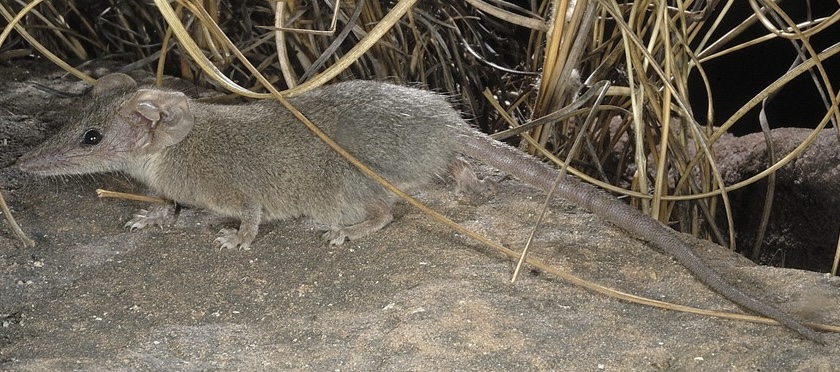
The long-tailed planigale, one of the smallest marsupials on earth, has just been sorted into four separate species, and one of them is brand new.

A ninety nine year development concession over Manoel Island has ended, and the waterfront is going back to the people who asked for it.

One hundred and twenty one in 2009. Four hundred and twenty nine this year, in a country you could drive across in a day.

A monitor powered by the river it sits in, reading the water every ten minutes and seeing trouble three days out.

A window is invisible to a bird. The new answer is a pattern etched into the glass itself, which the bird reads as solid and you barely notice at all.
Old eucalypts, an inland beach and a night walk through Bangerang country, on the quiet stretch of the Murray between Cobram and Tocumwal.
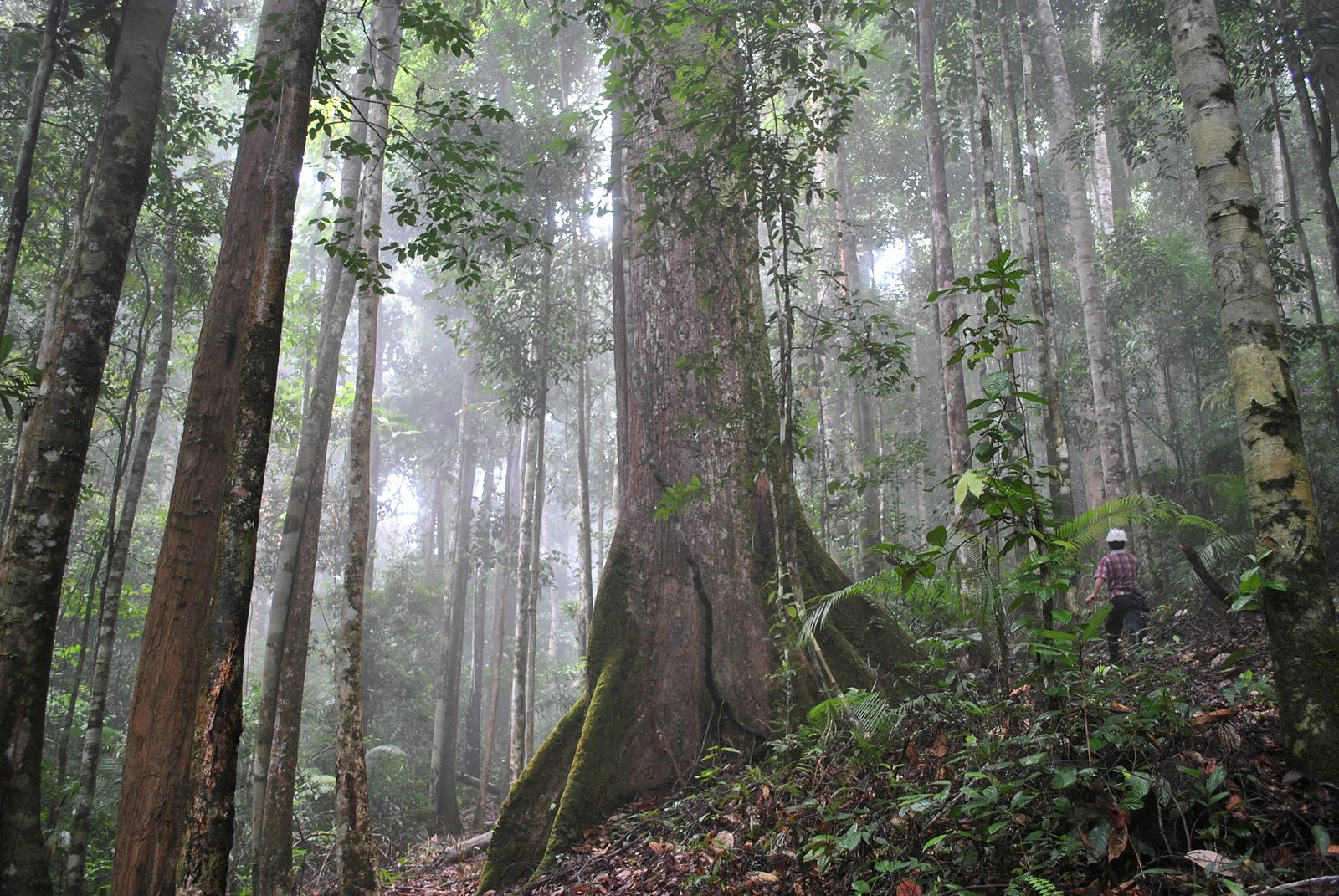
Australia’s first treetop walkway, four generations of one family, and a rainforest that was World Heritage before most of us were paying attention.
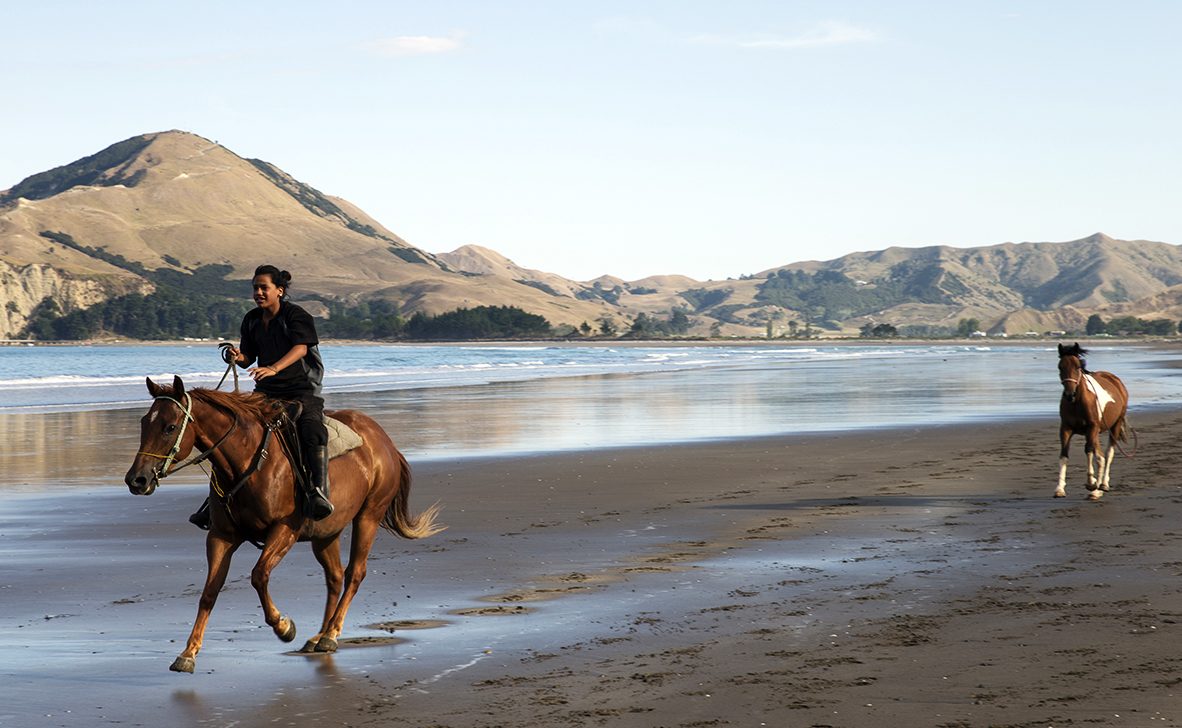
Beaches, bays and coves, bushwalks, gatherings and travel ideas, now including Christmas Island and the Cocos Keeling Islands. Photograph by Oliver Strewe.
Prefer email? Just write to earthtoseanews@gmail.com and we will add you. On most phones, tapping the address opens a ready written email for you.
