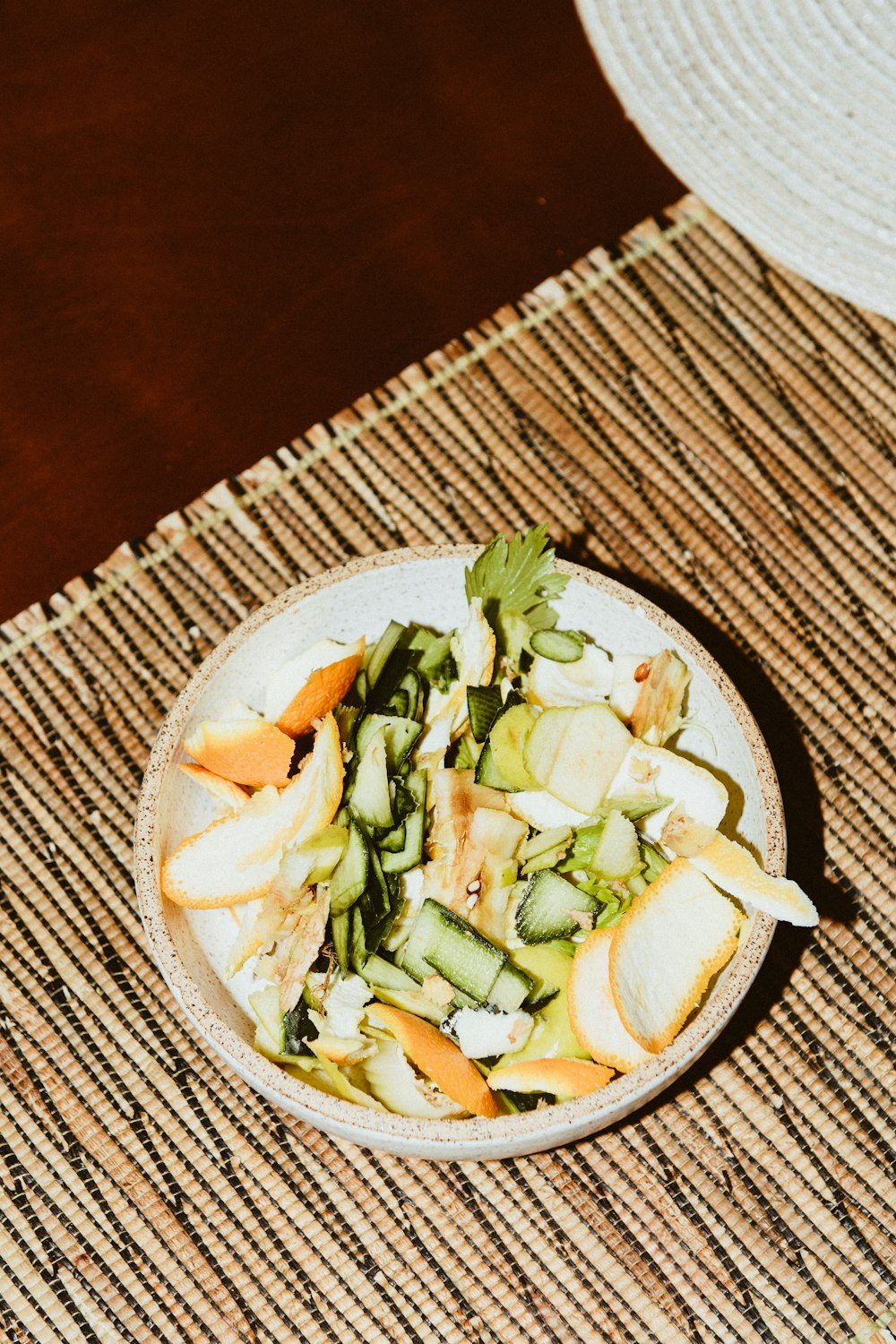
The green bin that becomes a paddock
A banana peel in a landfill does nothing useful for anyone. The same peel in a green bin becomes soil. New South Wales has now written that difference into law: from the first of July the state's largest food businesses, supermarkets and hospitality among them, must separate their food scraps for collection, with the requirement widening in stages, and every household to have the service by 2030. The projected result is up to one million tonnes of organic material a year kept out of landfill and turned instead into good compost for parks, sporting fields and farms. More than twenty million dollars has been put up to help councils get the bins and trucks rolling.
What makes this one worth celebrating is how little it asks of anybody. There is nothing to buy, nothing to install and nothing to learn beyond which bin the apple core goes in. Every scraping off a dinner plate becomes part of the topsoil under a cricket pitch or a row of vegetables somewhere out west. It is the rarest sort of environmental story, the kind where the hardest part has already been done by somebody else and all that is left for the rest of us is a small daily habit. If your council has already handed you the green bin, you are part of it tonight.
The library where you borrow a drill instead of buying one · Sustainable Living
The farmers healing their fields with fungi · People
The young farmers rewriting life on the land · People and Country
Good news travels when people pass it on. Get our stories free twice a week, send this one to someone who needs it. And if this story made your morning, you can buy us a coffee. It helps keep these good news stories travelling across the globe.
Subscribe free Send to a friend Shout us a coffee