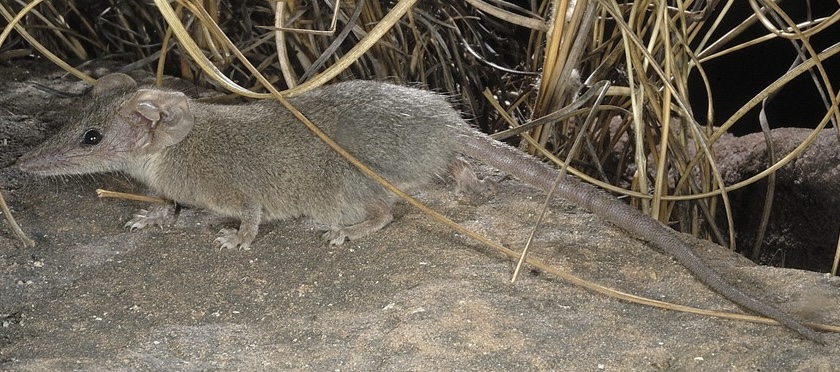
One tiny marsupial turned out to be four
The long-tailed planigale, one of the smallest marsupials on earth, has just been sorted into four separate species, and one of them is brand new.

Twenty nine thousand names, and an island comes home
A ninety nine year development concession over Manoel Island has ended, and the waterfront is going back to the people who asked for it.

Nepal counted its tigers, and there are 429
One hundred and twenty one in 2009. Four hundred and twenty nine this year, in a country you could drive across in a day.
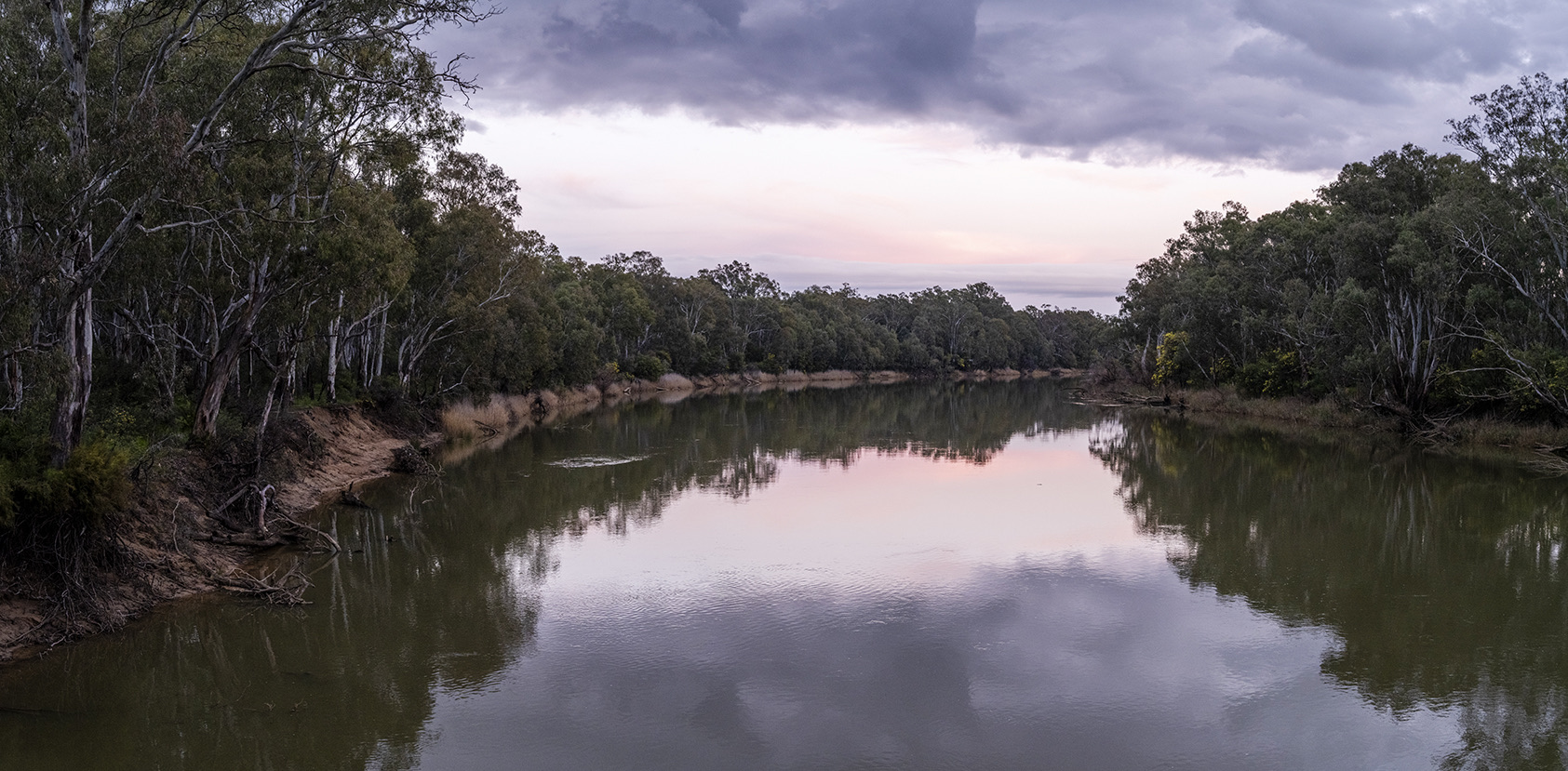
The stretch of the Murray where the stories come out at night
Old eucalypts, an inland beach and a night walk through Bangerang country, on the quiet stretch of the Murray between Cobram and Tocumwal.
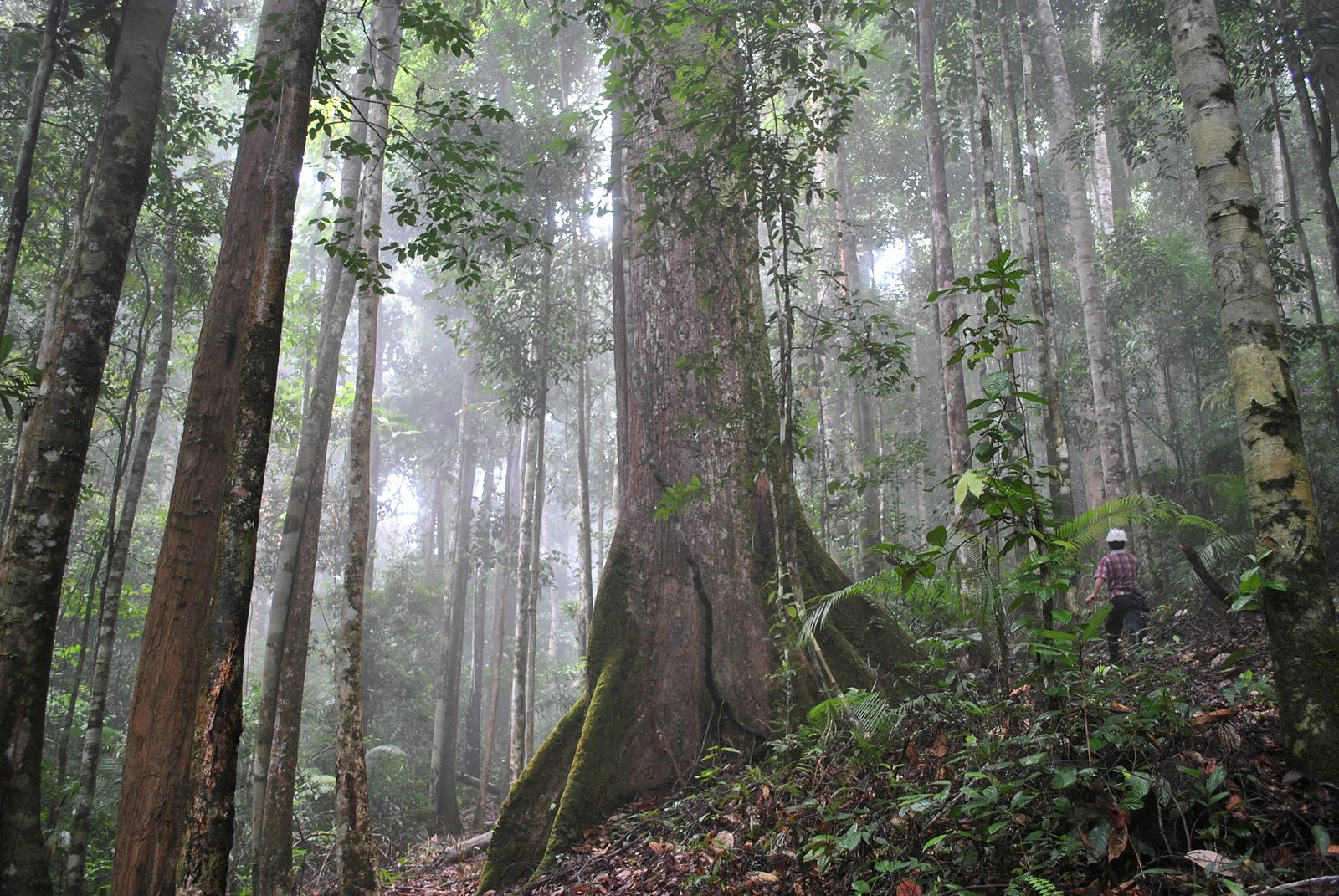
A hundred years of O’Reilly’s, on the mountain called Woonoongoora
Australia’s first treetop walkway, four generations of one family, and a rainforest that was World Heritage before most of us were paying attention.
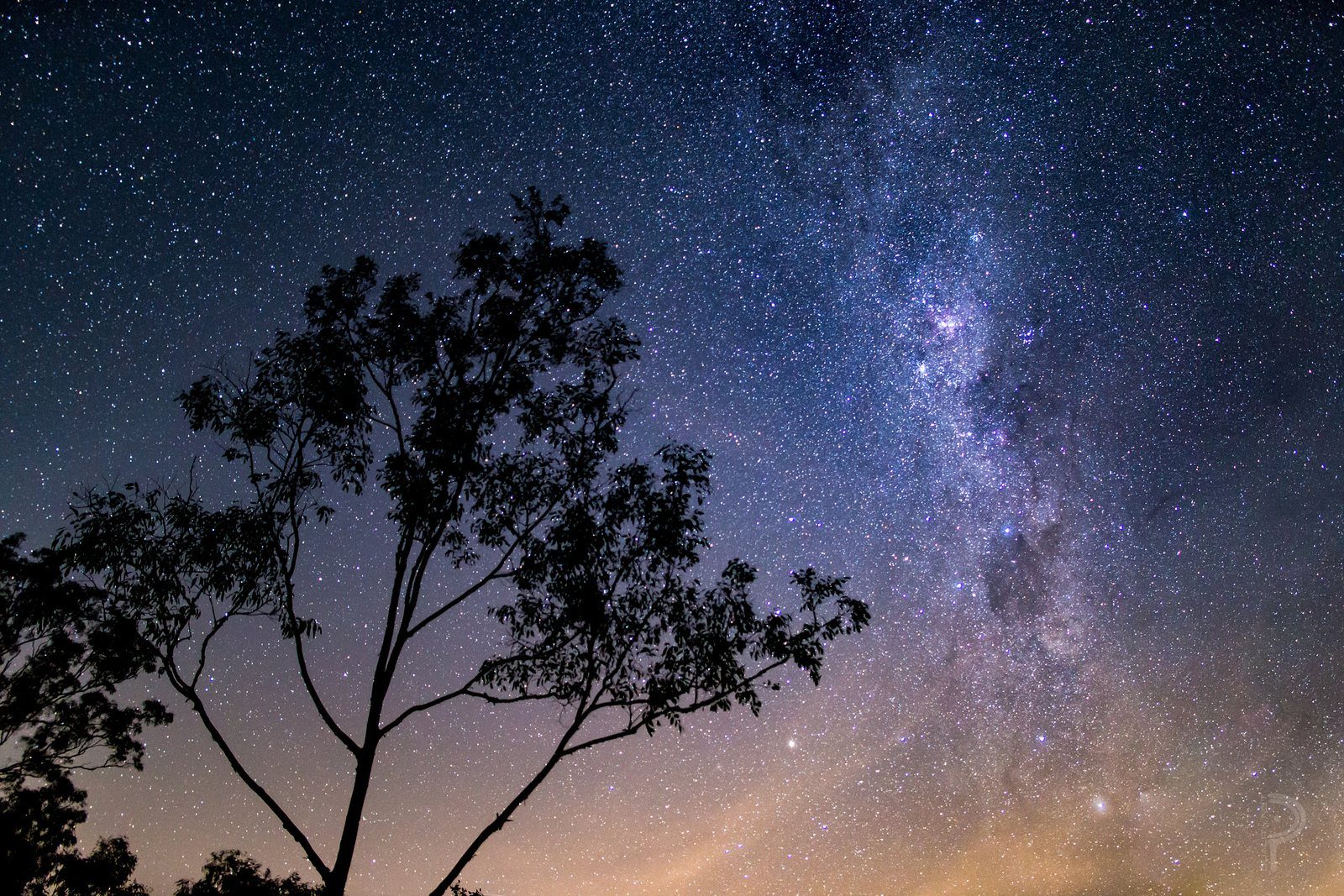
The towns that turned their lights off
Above the Warrumbungles the night sky is protected like a national park, because it is one.
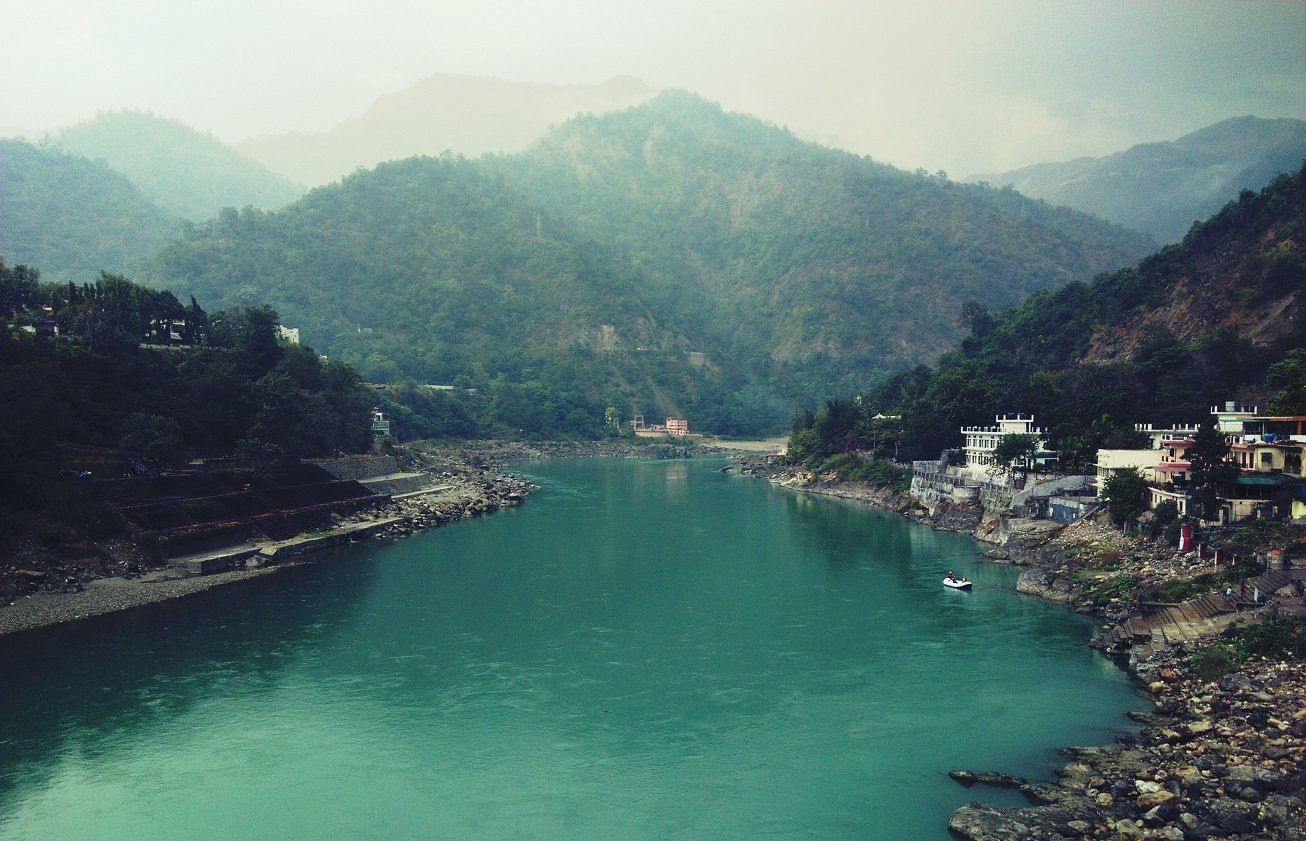
Replenishing the soul in Rishikesh
Where the Ganges leaves the mountains, the whole town is arranged around rest.
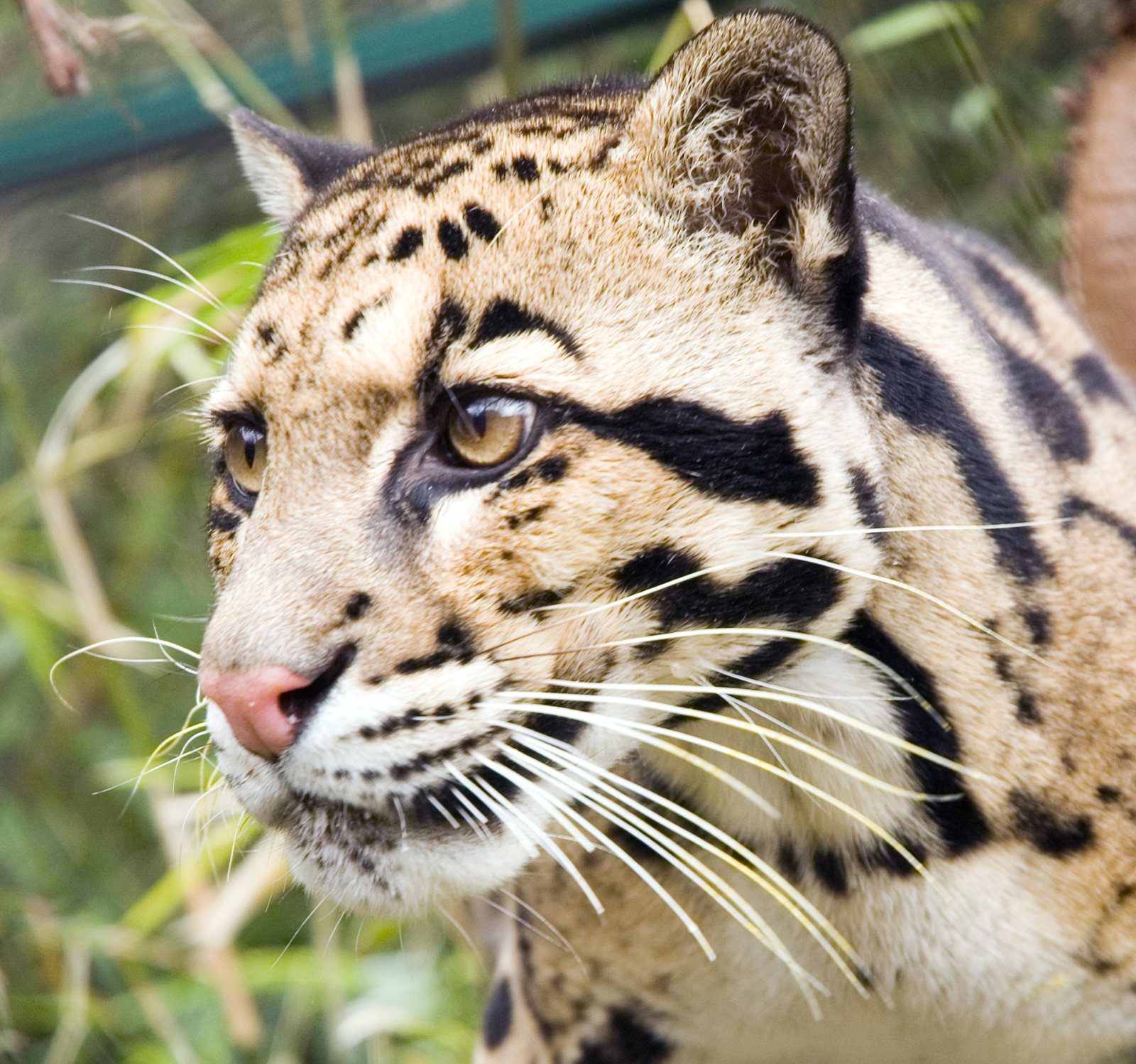
One hundred species, and the money to bring them home
A new 200 million dollar fund has one job: carry one hundred threatened animals and plants all the way back.
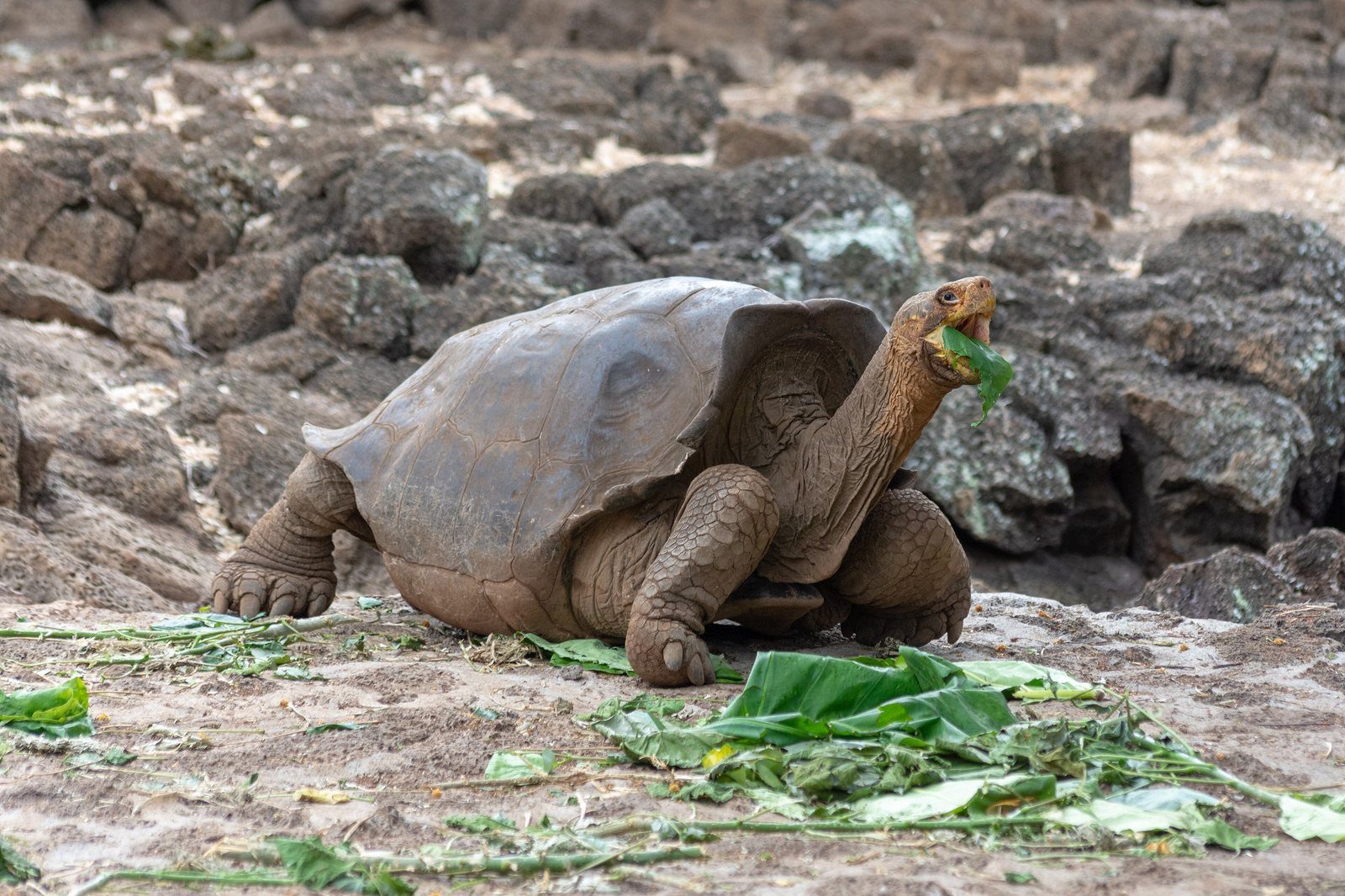
The giants are coming home to Floreana
After 180 years, giant tortoises walk Floreana Island again, the first of twelve species being welcomed home.
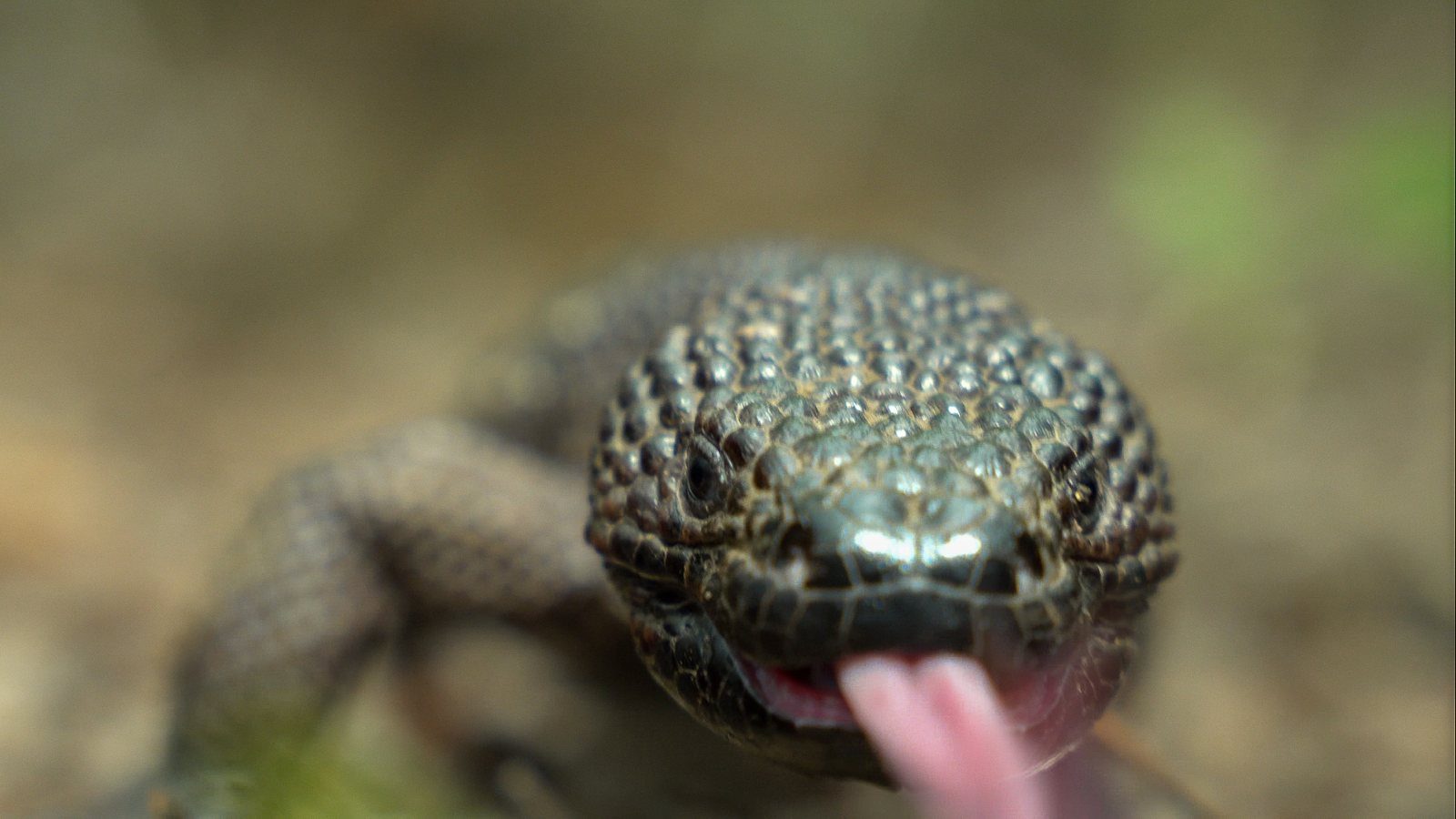
The sleeping child wakes up
Guatemala calls its rarest lizard the sleeping child. A zoo in the capital is giving it a future.
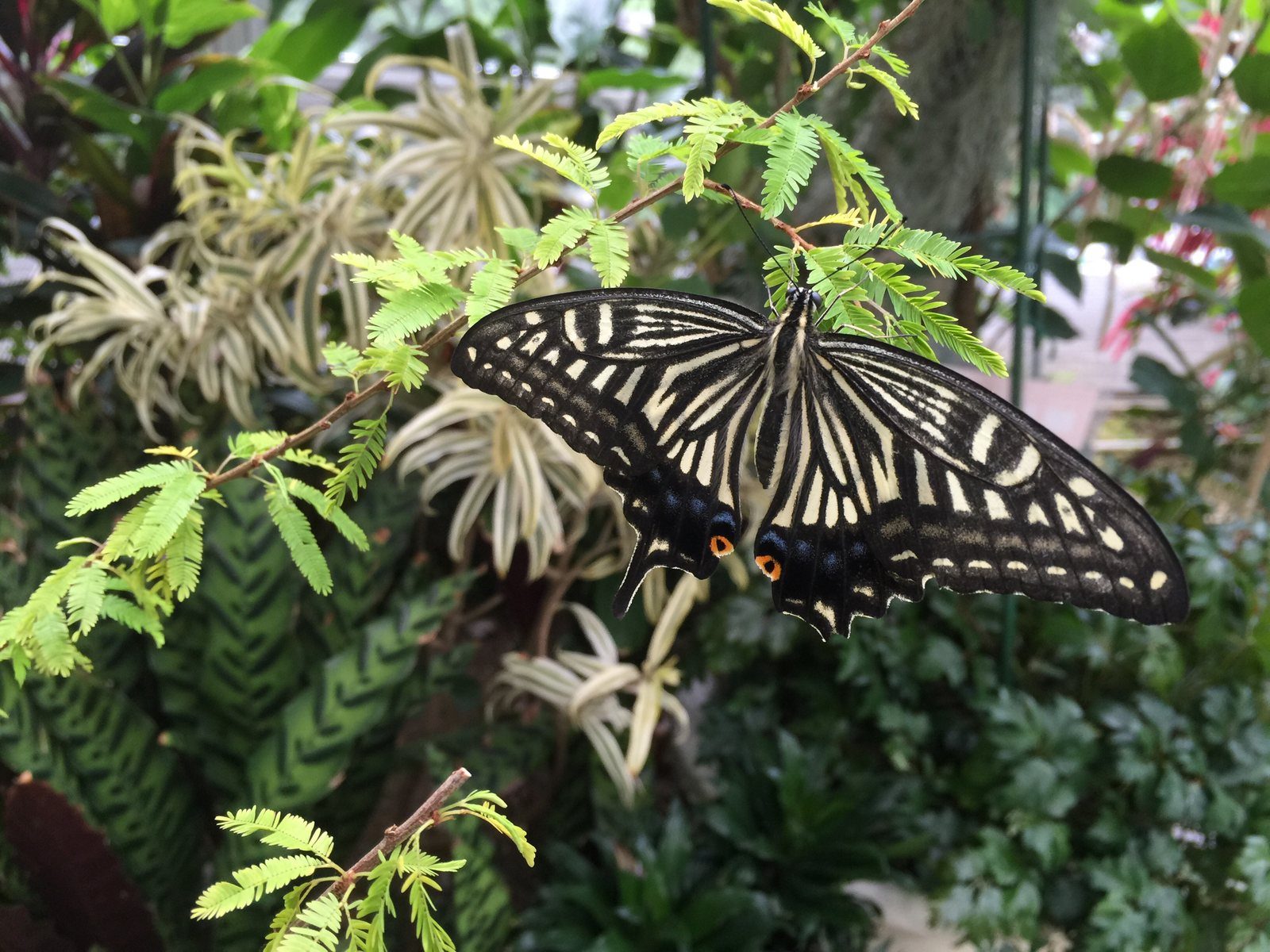
The butterflies that came back to the boy
A ten year old in Kobe wondered if his butterflies remembered him. The answer is now heading for a science journal.
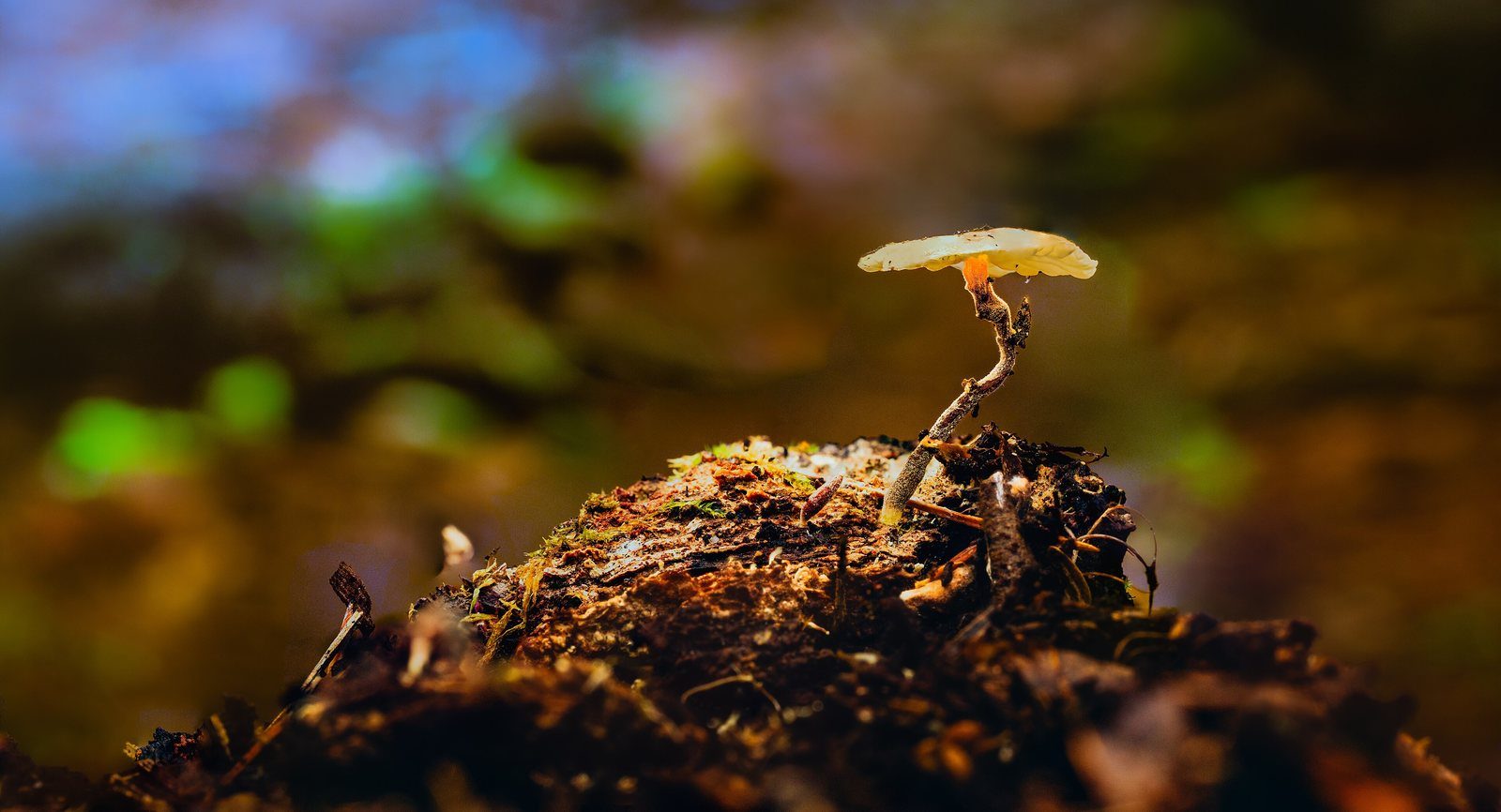
The prize for the world beneath our feet
The Nobel of the environment just went to the scientist mapping the fungal internet under the forests.
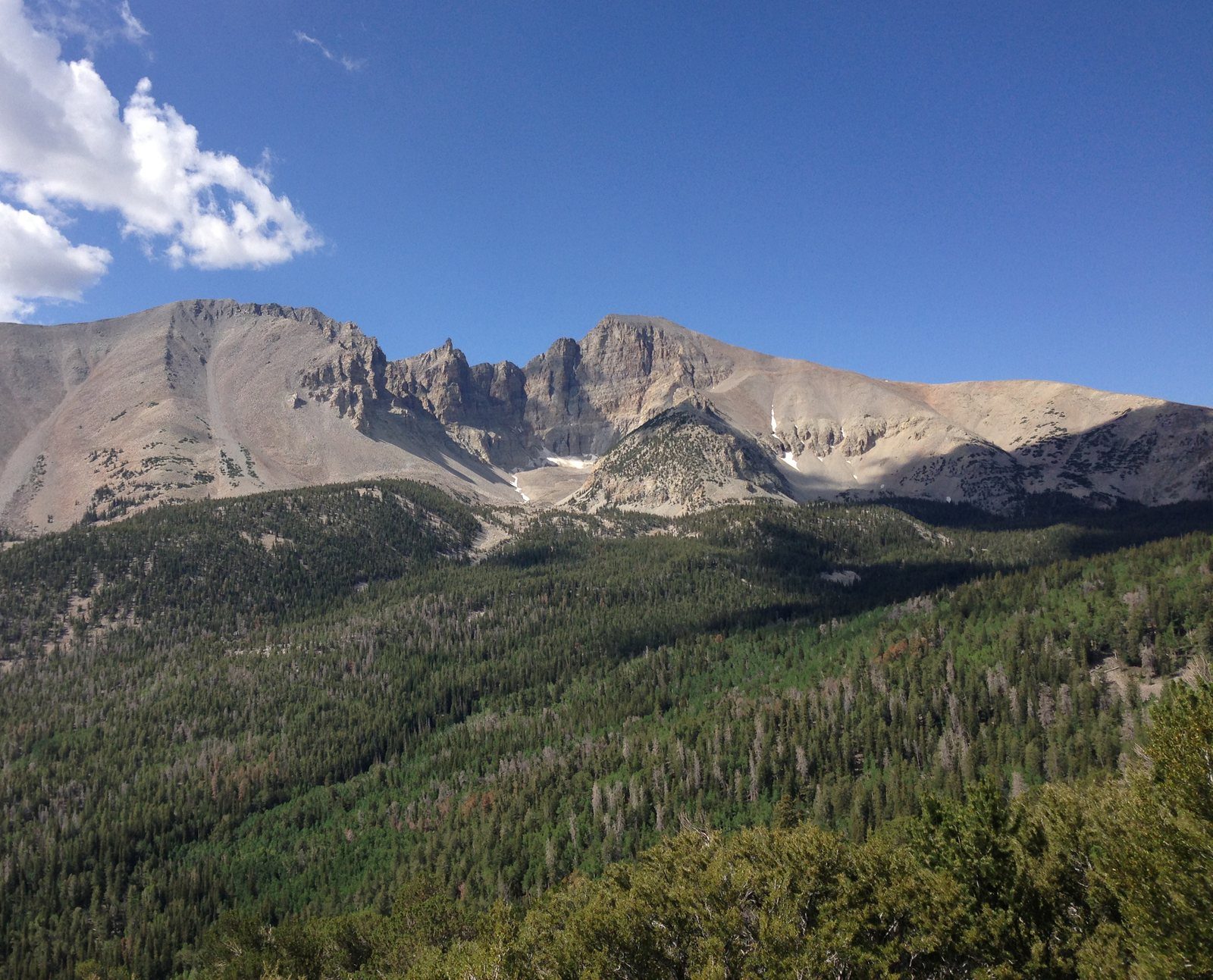
The park where the oldest living things keep watch
Bristlecone pines older than the pyramids, alpine lakes, and hardly a queue in sight.
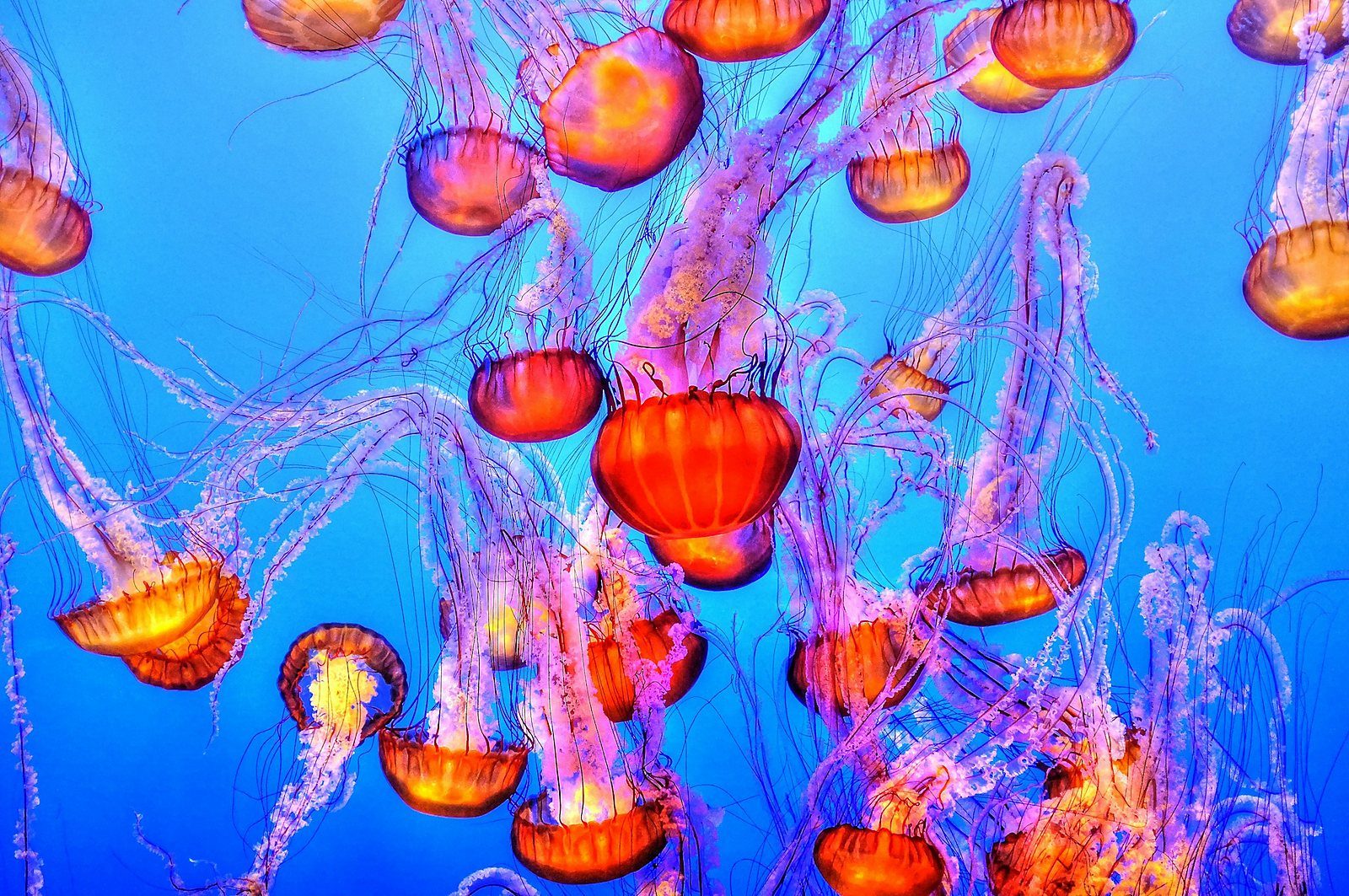
The year the ocean introduced itself
Scientists found 1,121 new marine species in a single year, and they are just getting started.
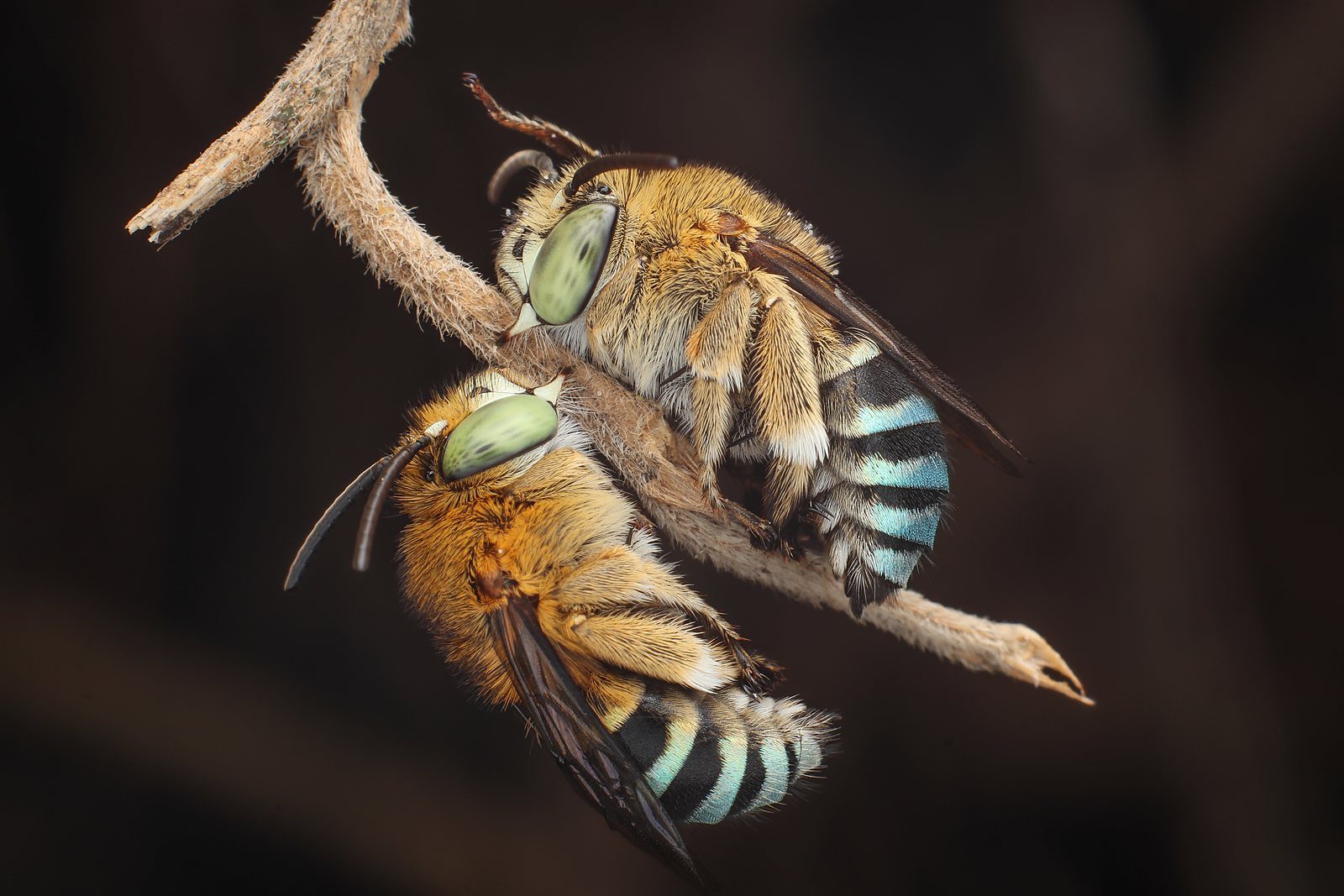
Australia just met its own pollinators
The first national picture of who pollinates Australia has been drawn, and the native bees look like heroes in waiting.
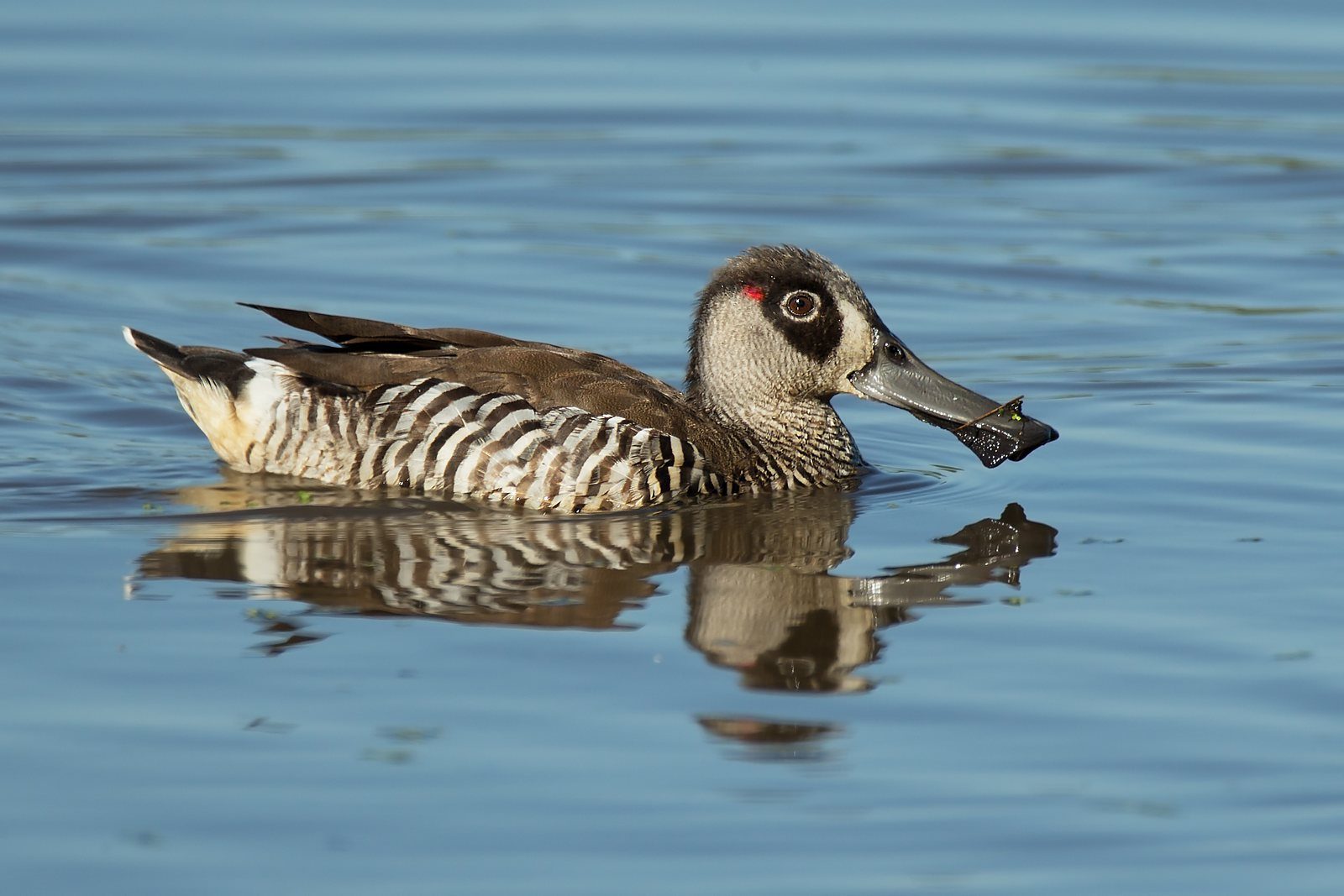
When the water comes back, this little duck knows first
The wetlands filled this year, and the little zebra striped nomad arrived in its thousands.
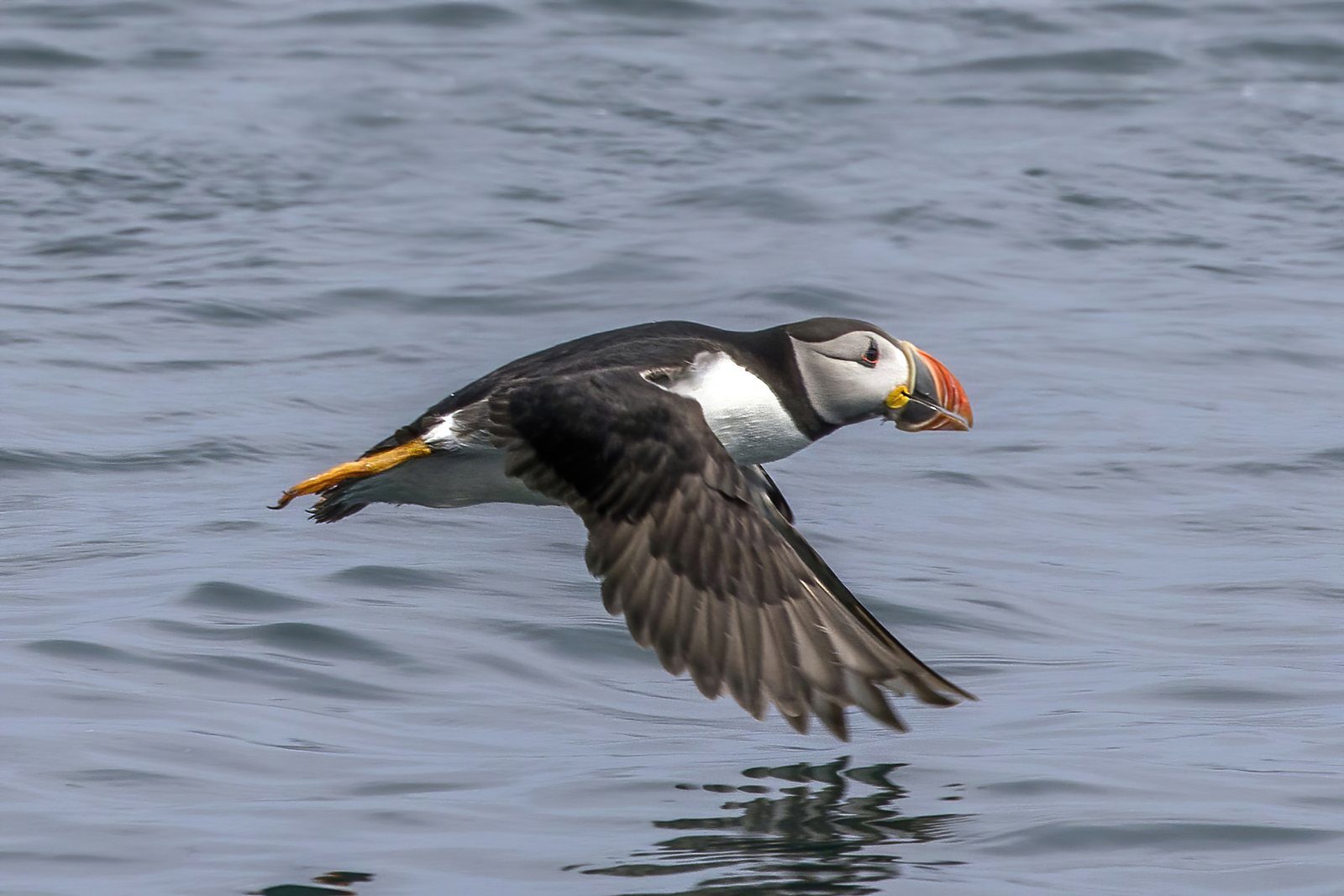
One puffling, thirty years in the waiting
On the cliffs of Dorset, volunteers watched a puffin chick leave its nest for the first time in three decades.
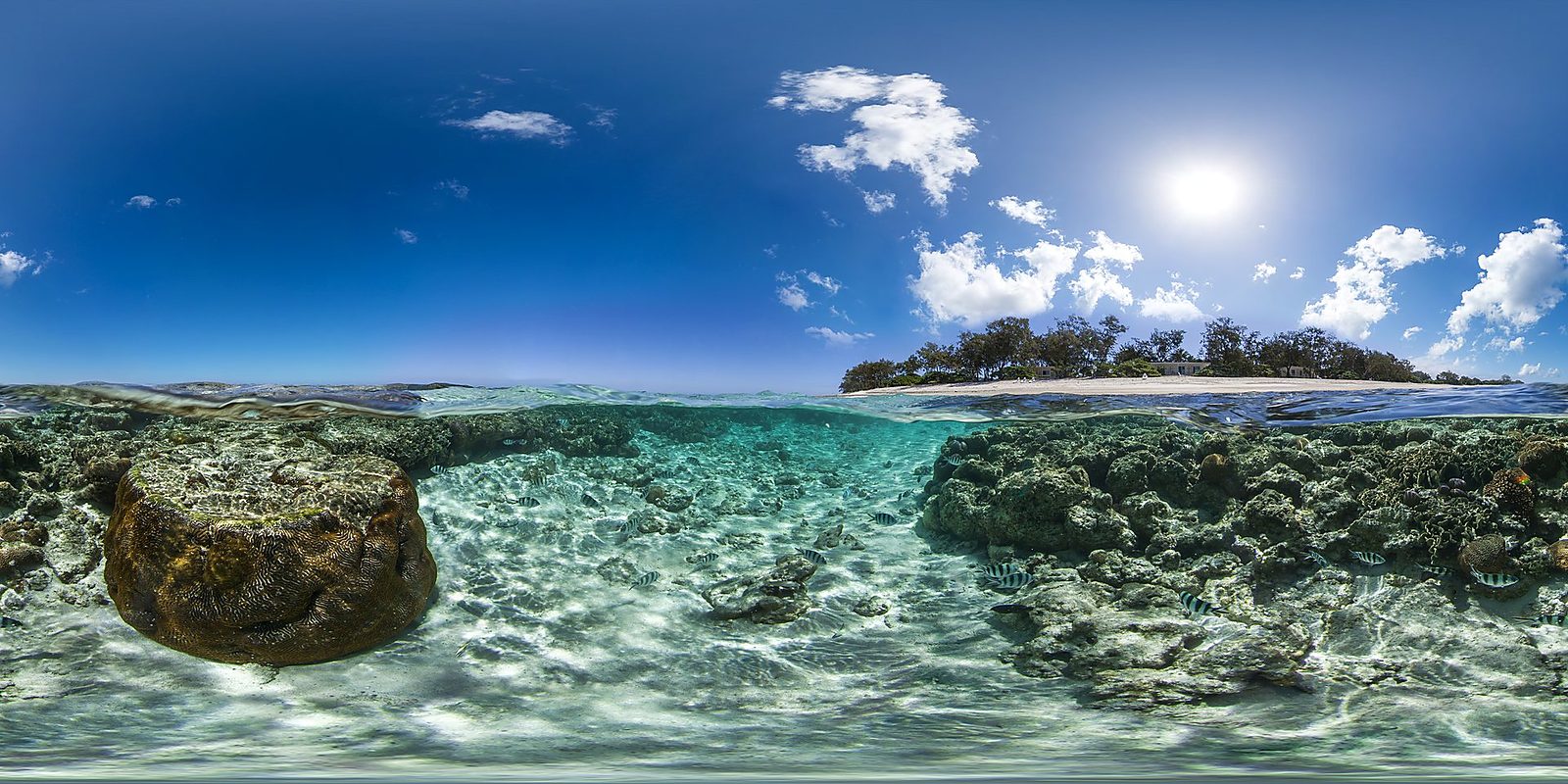
The island that was mined bare grew back
Fifty years ago Lady Elliot Island was a stripped coral cay. Now it is a Green Zone sanctuary you can visit, and its custodian just won a lifetime achievement award.
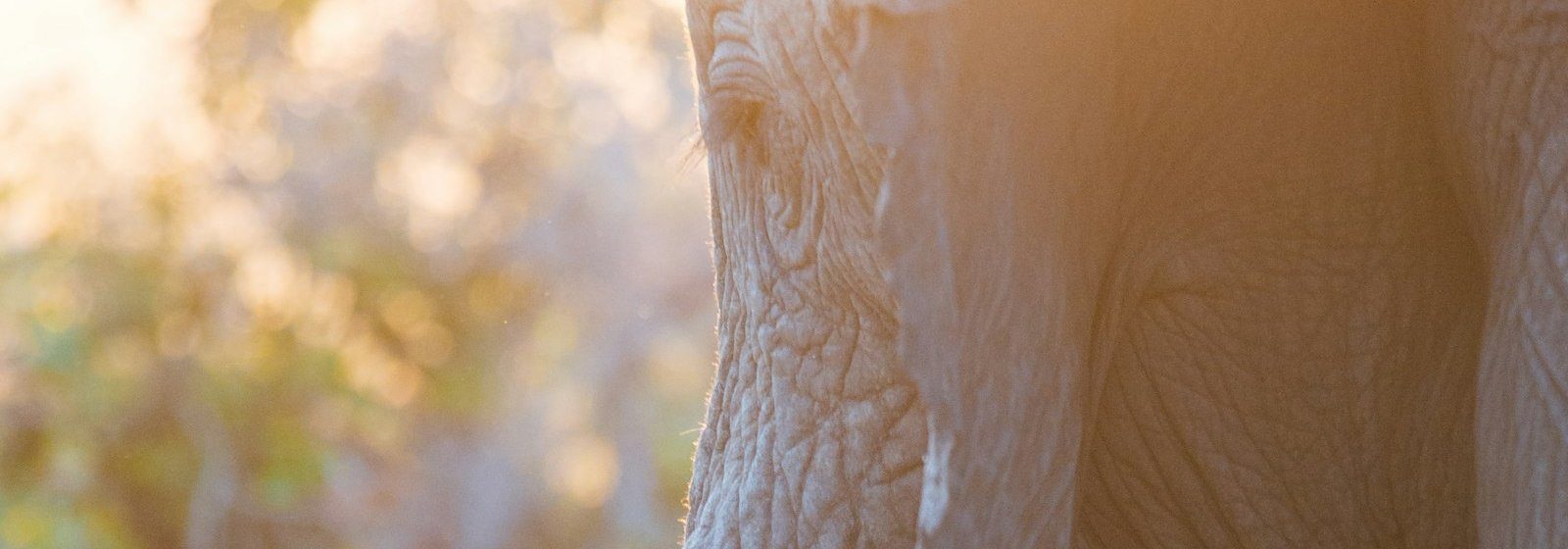
The satellites keeping watch over the desert elephants
In Namibia, a message from space now helps farmers and free roaming elephants share the same dry rivers in peace.
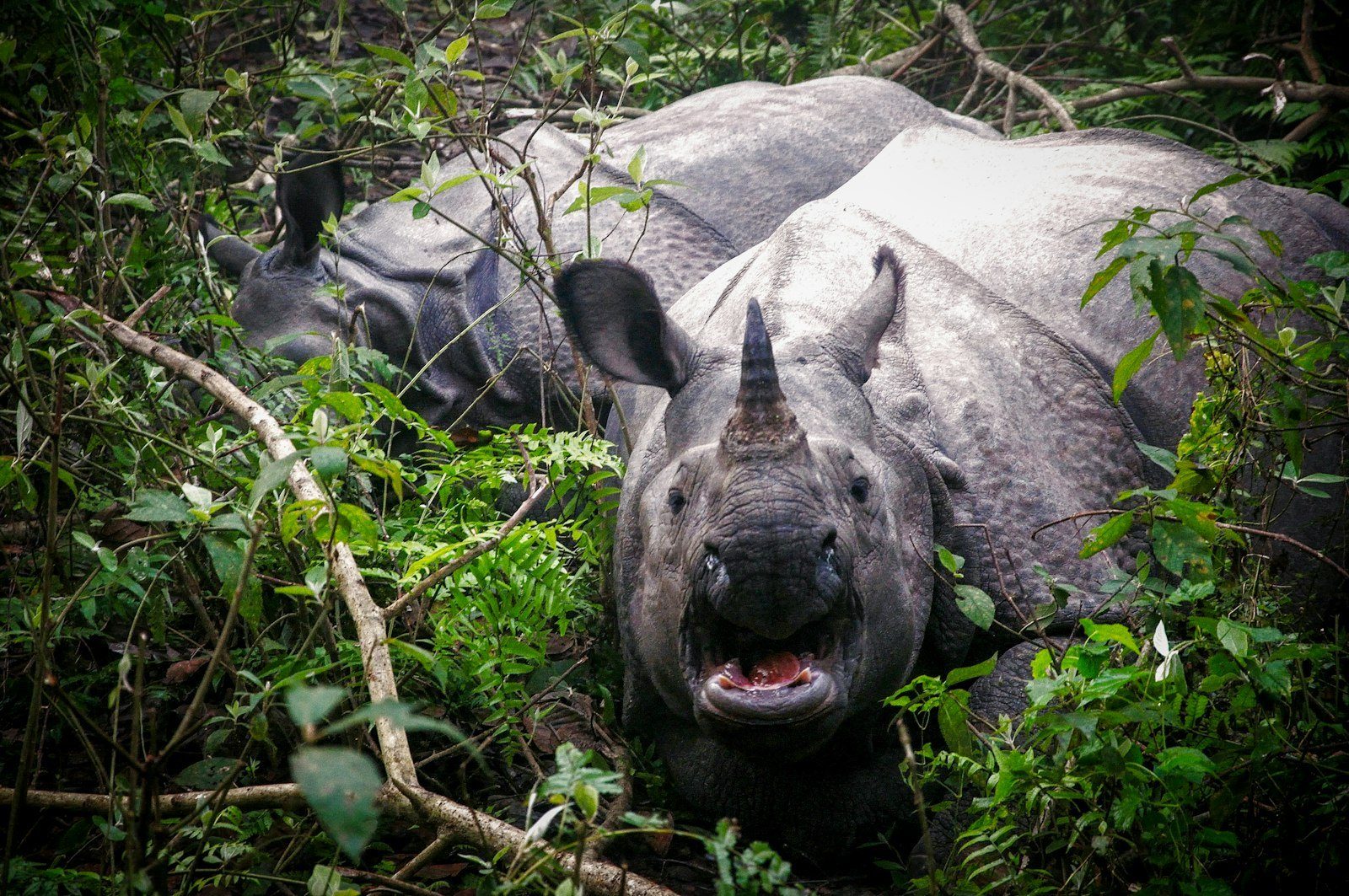
The Goddesses of the Forest
One hundred and eight women guard Kaziranga's rhinos, and the poachers have gone quiet.
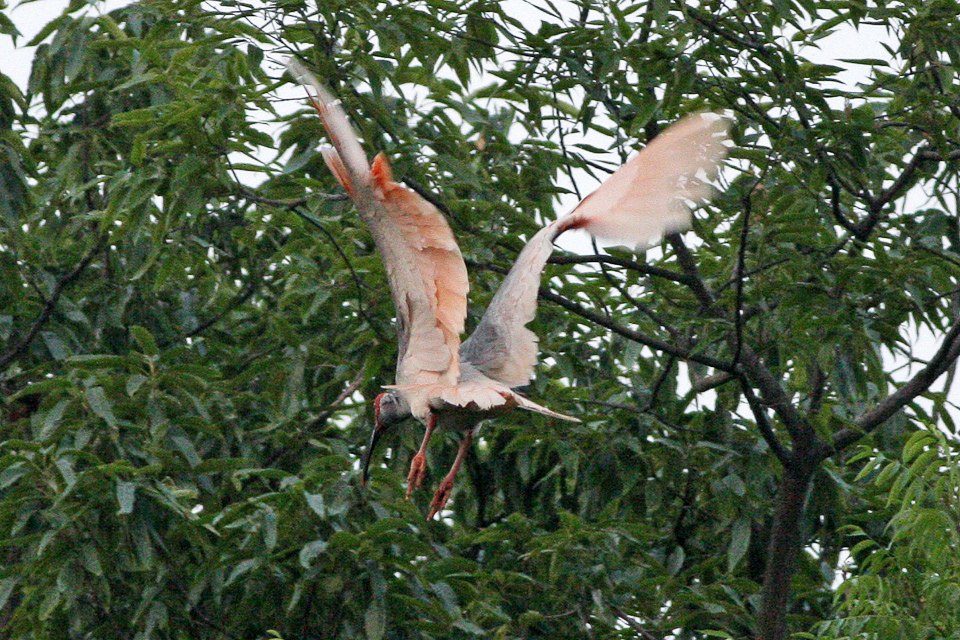
The sacred bird that came home to Japan
Japan's toki was gone from the wild. This May, a crowd in Hakui watched eight fly free in the very place they were last seen.
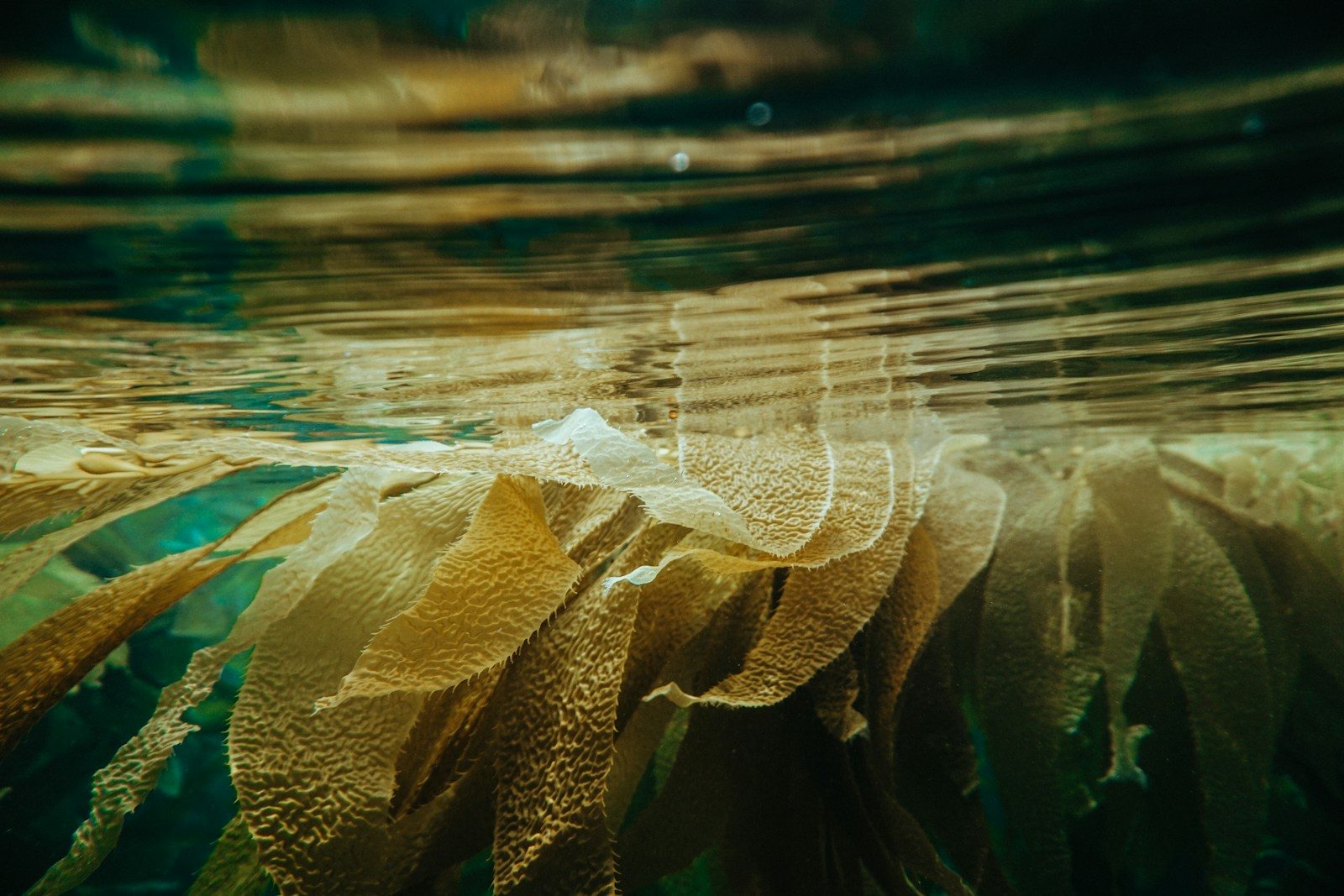
The divers planting a forest by hand, in winter
At Eaglehawk Neck, people come from all over the world to spend four cold weeks putting giant kelp back on the reef.
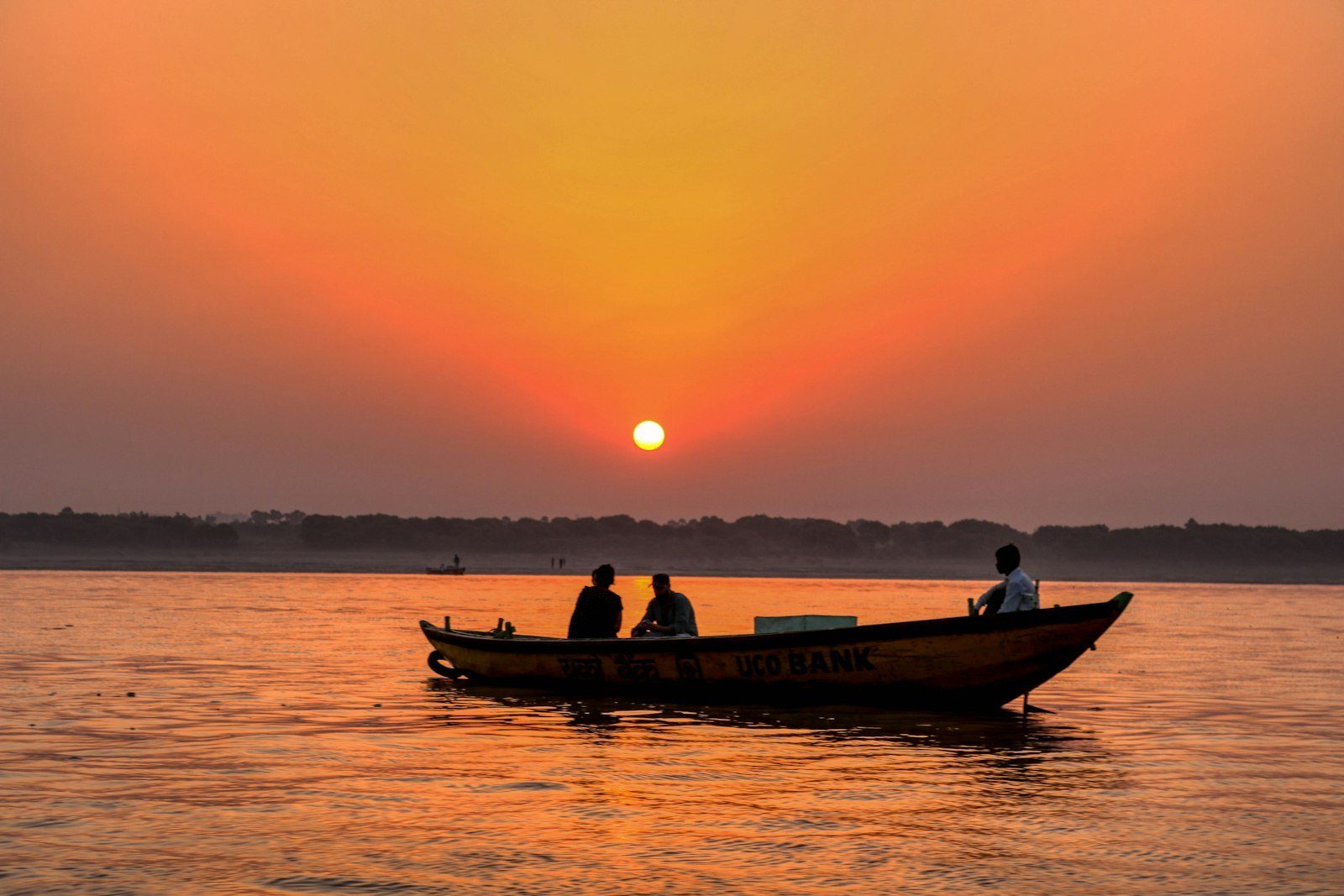
The river that got one hundred and eleven villages back
In Azamgarh, village councils cleaned eighty nine kilometres of the Tamsa, then planted sixty five thousand fruit trees along her banks.
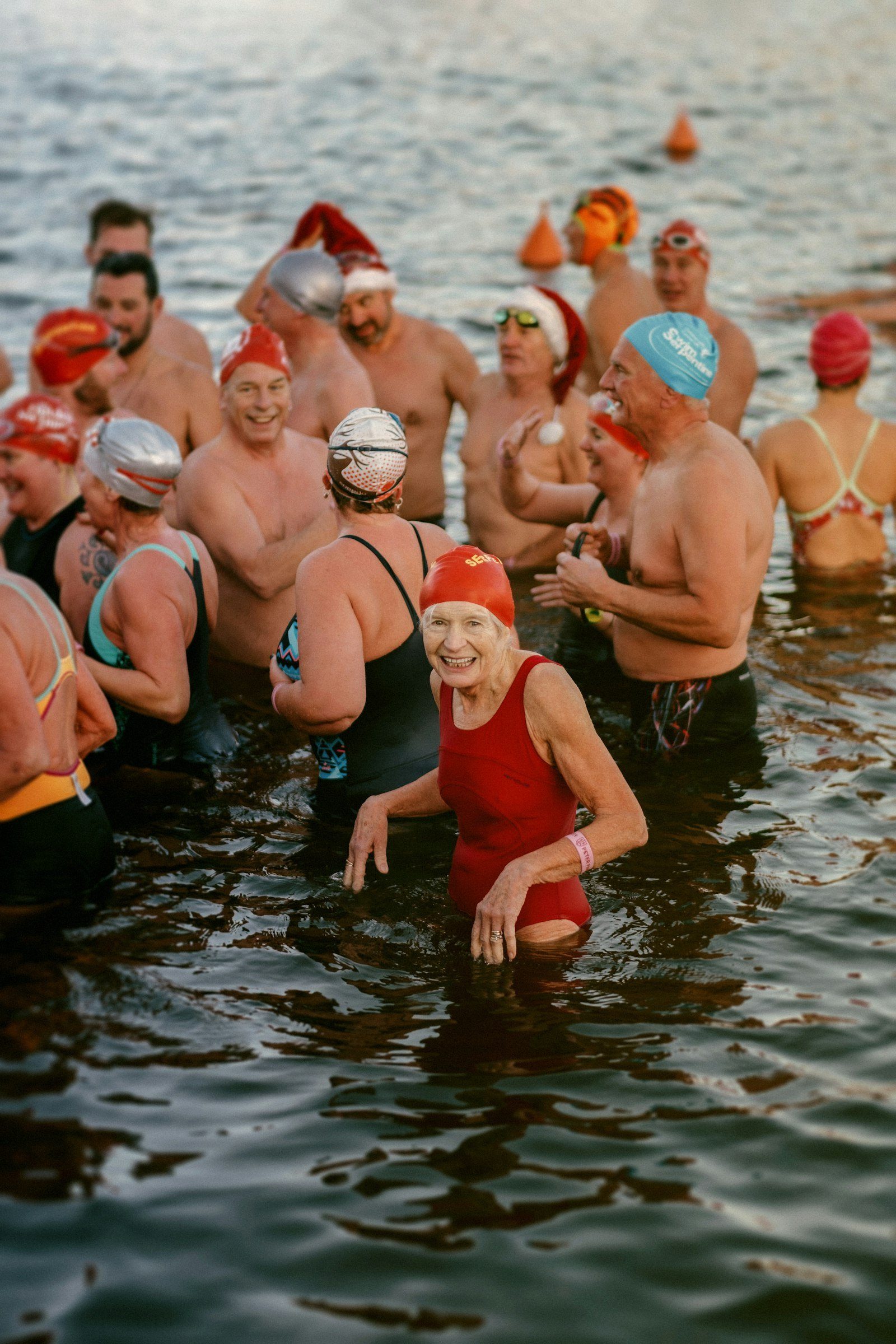
Never too late to dive in
The Old Ladies Against Underwater Garbage ask that you be at least sixty four. The rest of us can start with a bag and a pair of gloves.
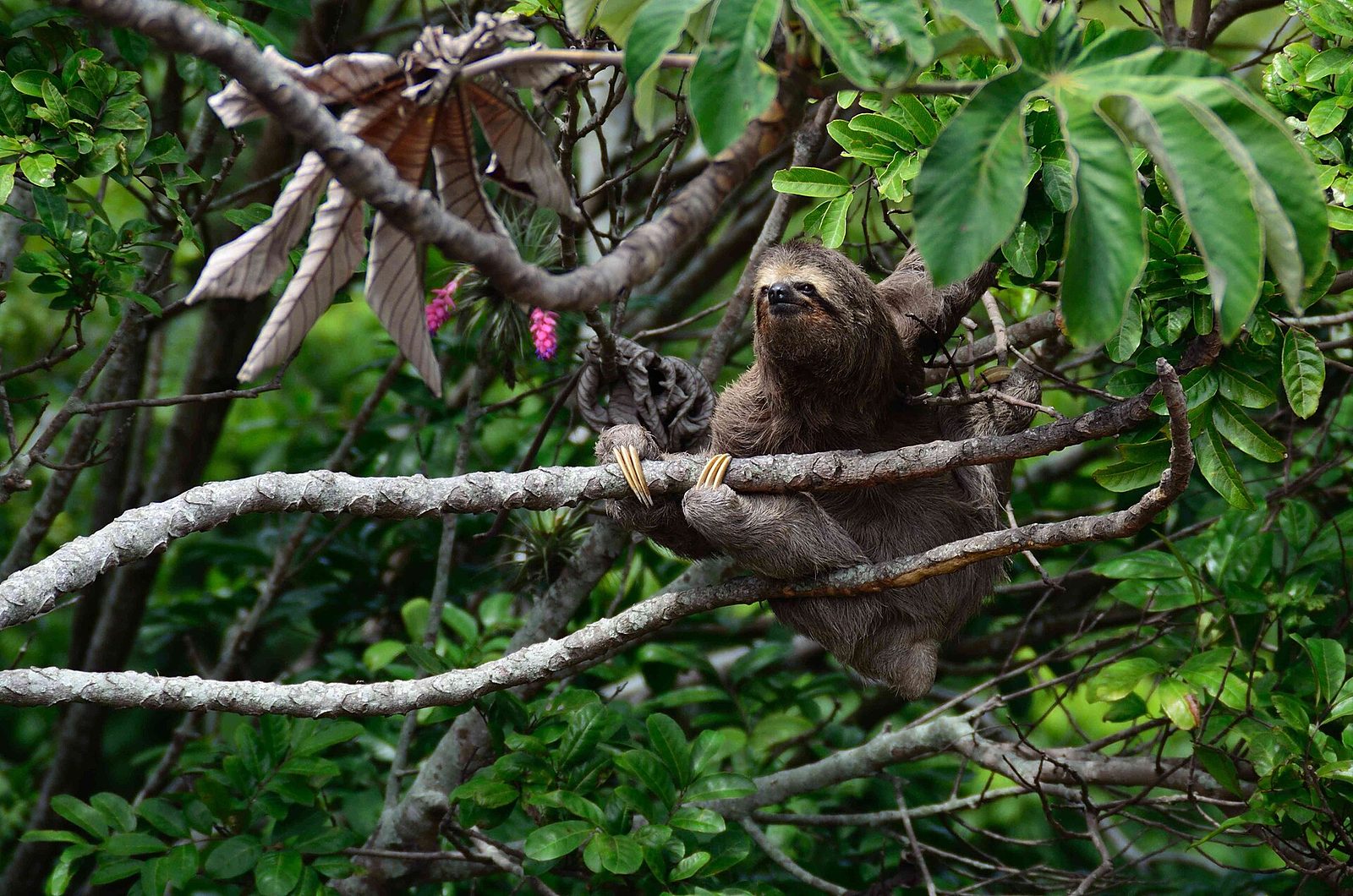
The rope bridges built so sloths never have to touch the ground
On the Caribbean coast of Costa Rica there are now 378 of them, strung tree to tree above the roads.
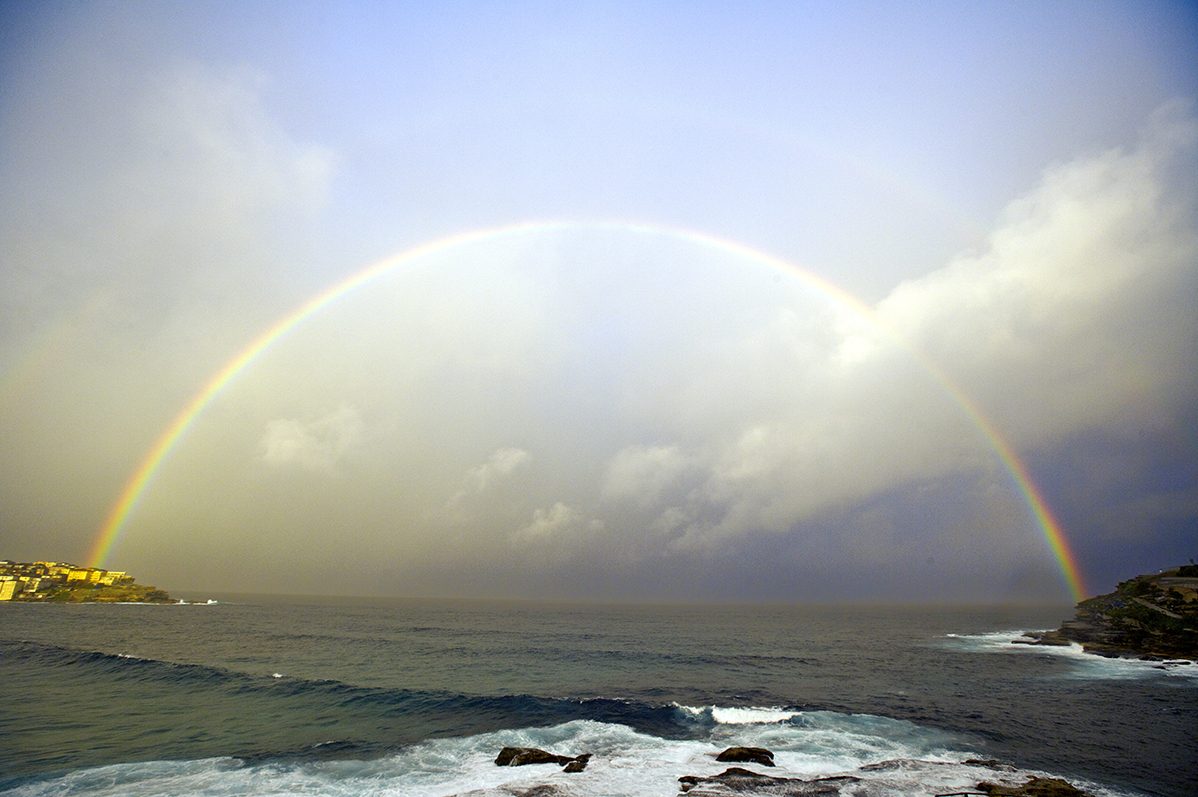
The run that ends in the sea
This Sunday about 90,000 people pour down the hill to Bondi, and Sydney lets winter go.
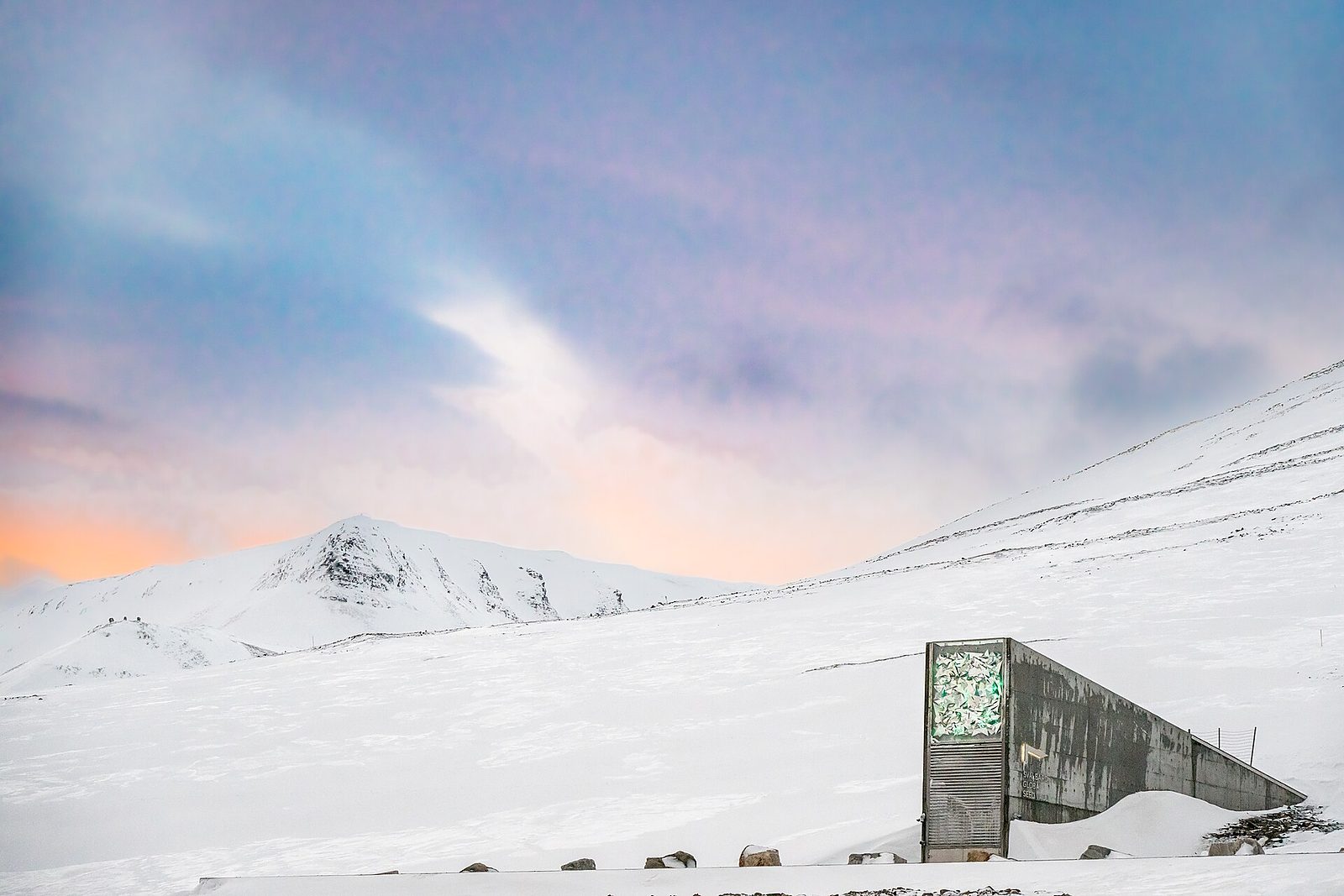
The frozen library that hopes never to lend a book
Inside a mountain in the Arctic sit 1.4 million kinds of seed, and this year two countries added theirs for the first time.
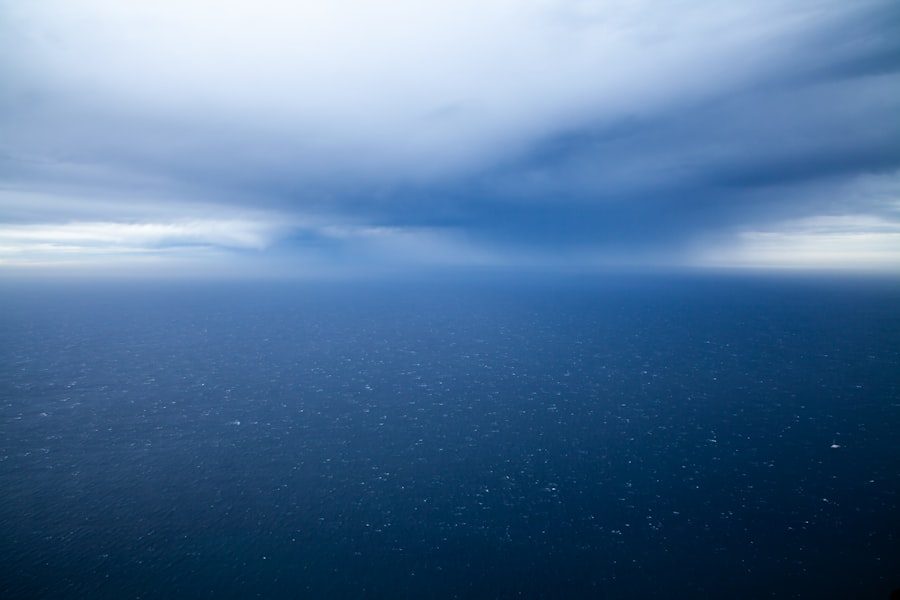
The ocean beyond every border just got its first rulebook
Two thirds of the ocean finally has a rulebook. And the closer that care comes to the shoreline, the more of us get to watch the healing.
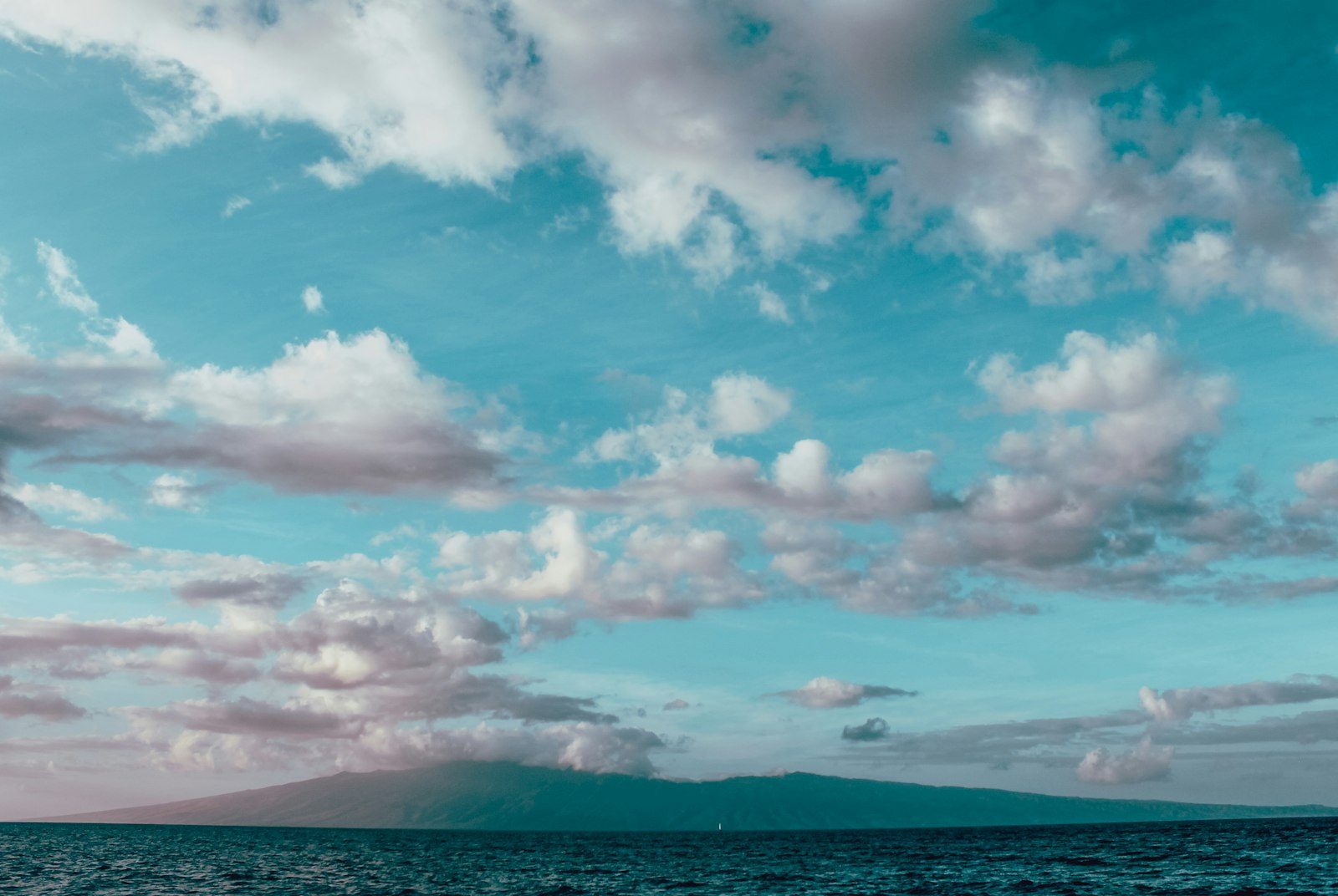
The scientists brightening clouds to shade the reef
A fine mist of seawater, a slightly brighter cloud, and a little less summer sun on the coral below.
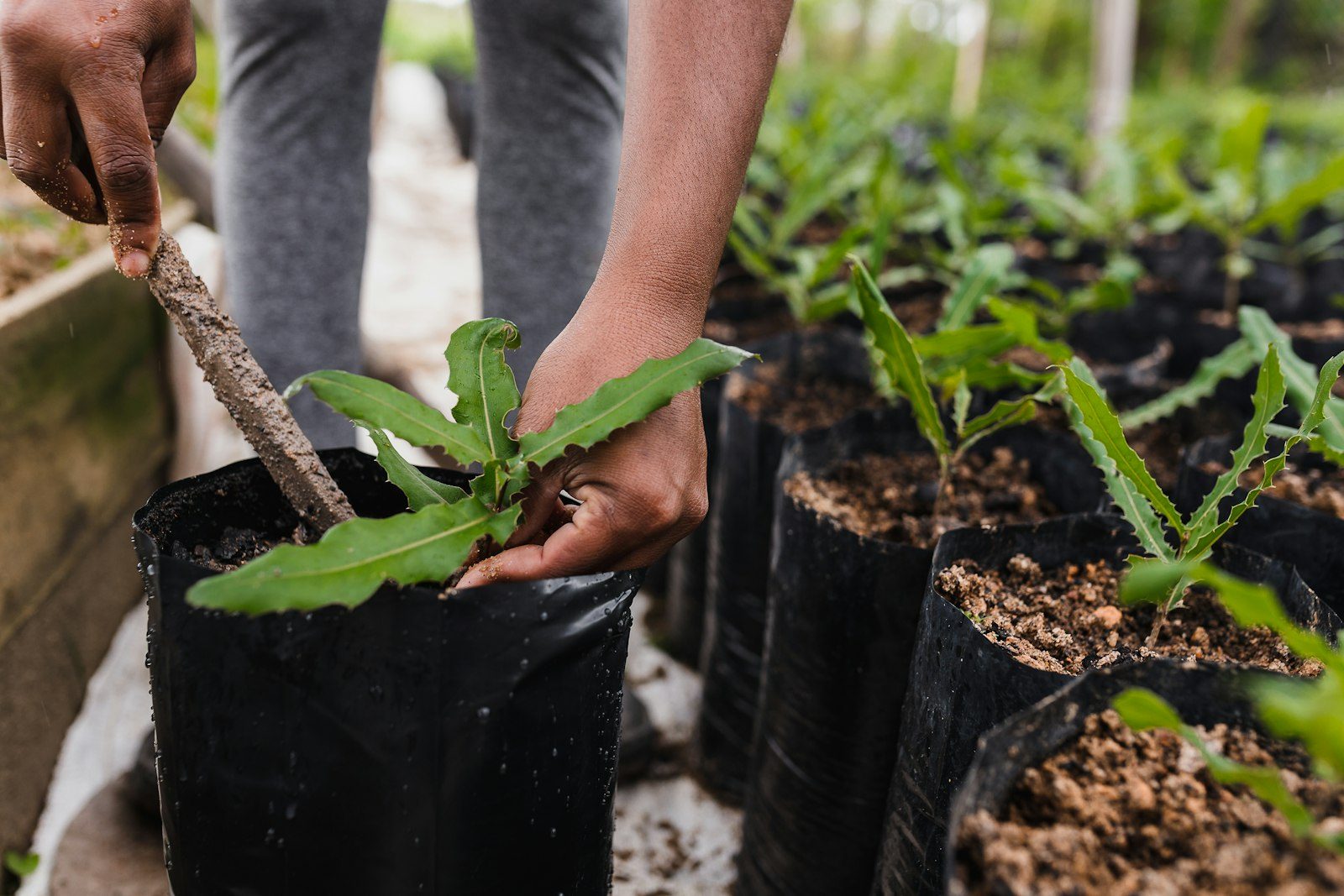
New York is growing 25 million trees, starting with the nurseries
Progress is progress, and the state just put 46 million dollars behind growing the trees before planting them.
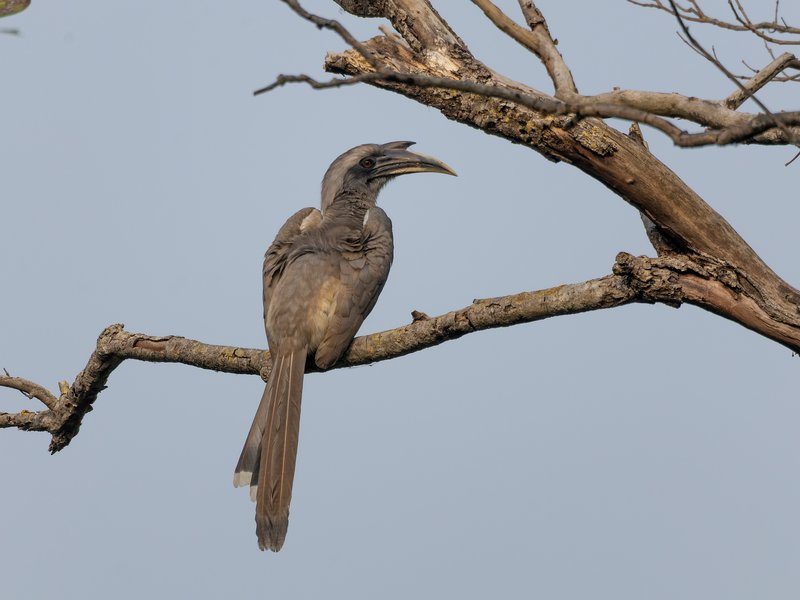
The bird that needed the trees to grow old first
A hornbill gone from Gir for sixty years is nesting there again, in hollows the forest took decades to make.
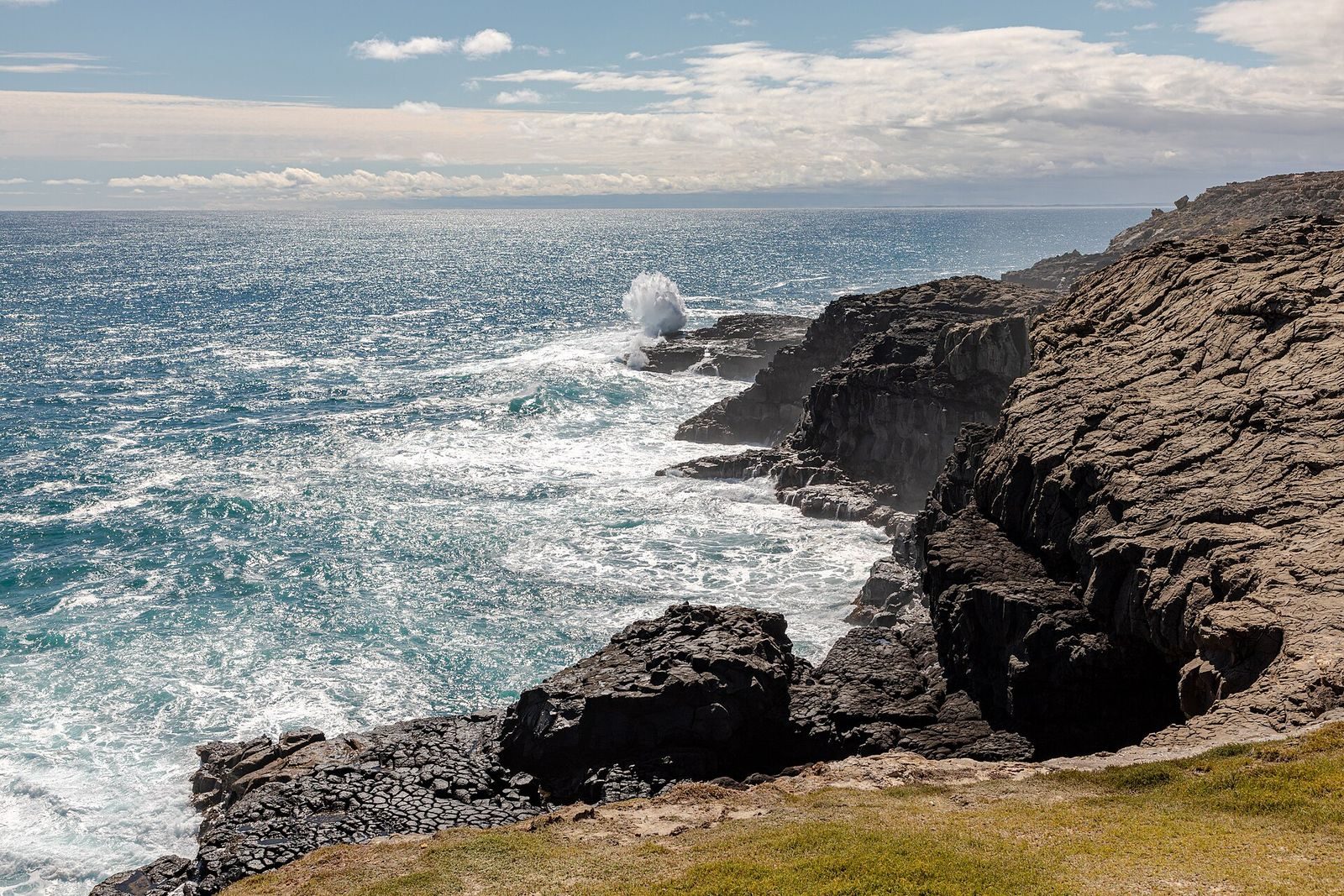
The walk that Year 10 built
A 262 kilometre loop through the far south west of Victoria, cut by school students and kept going by volunteers.
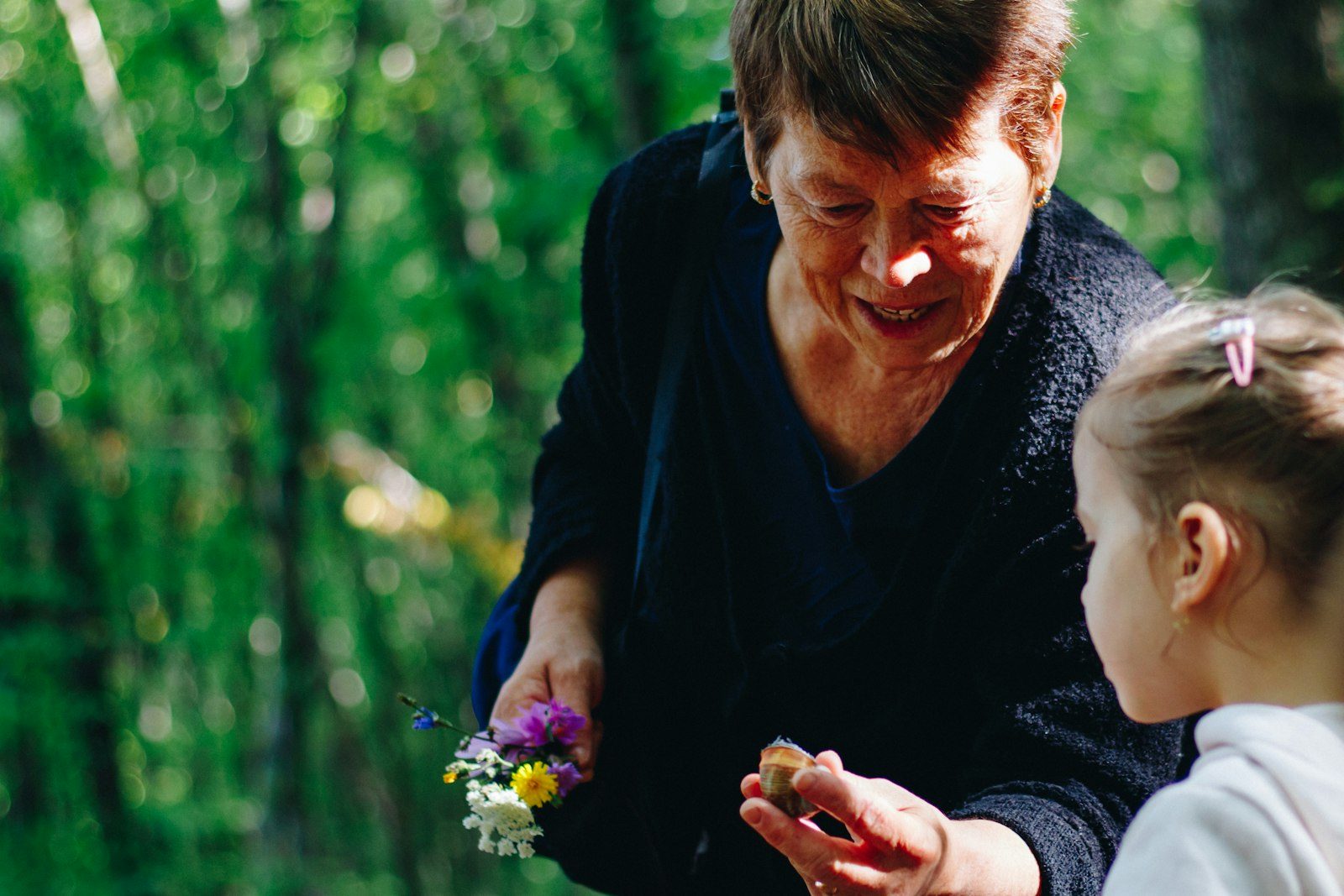
Two nights in a cabin, and nobody can tell whose grandchildren are whose
A Minnesota park district built a camp around the pair nobody usually plans for.
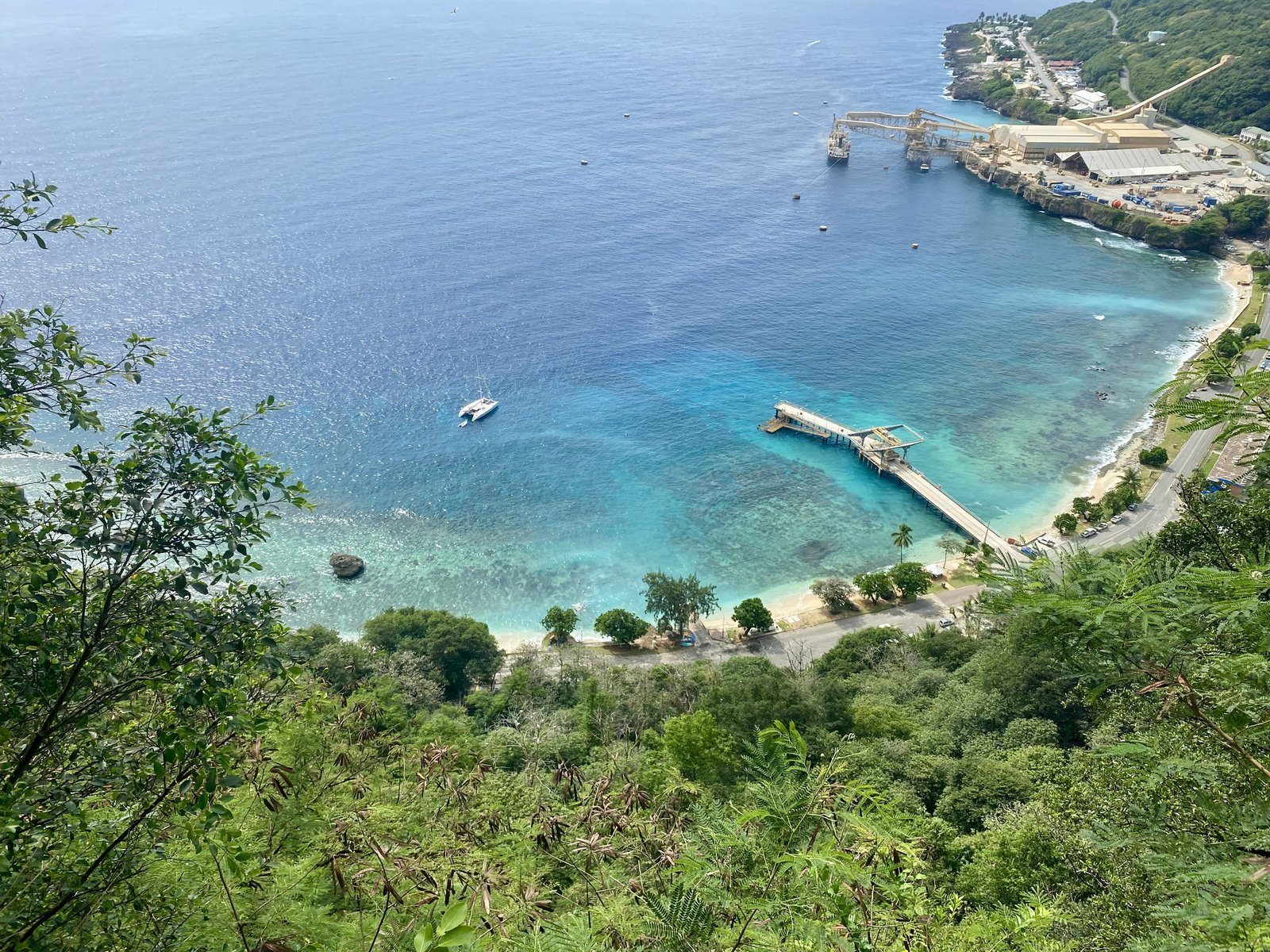
The island where the crabs have right of way
Two tonnes of rubbish, a wharf jump into 28 degree water, and an island that hands the road to its crabs.
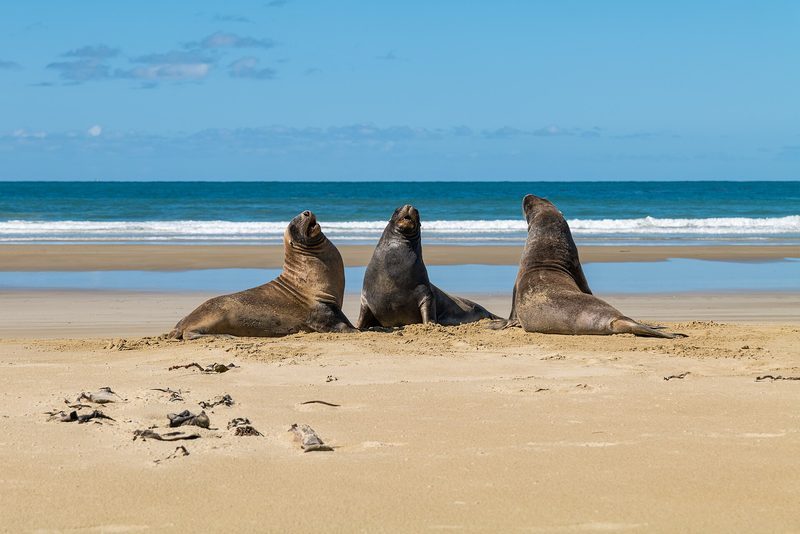
Thirty eight pups, and a coastline getting its sea lions back
One of the world's rarest sea lions has just reached a number the Otago coast has not seen in about 150 years.
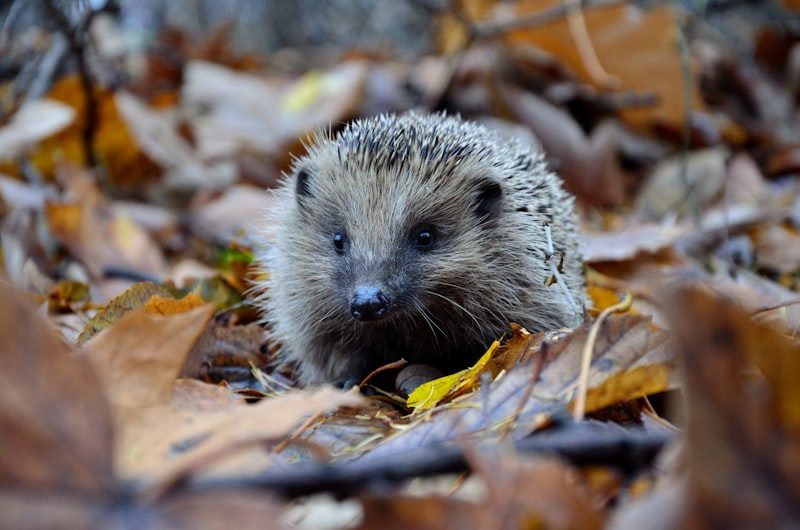
Hedgehogs can hear a great deal more than we knew
Twenty hedgehogs, tested gently and home the next night, revealed a whole layer of sound we cannot hear.
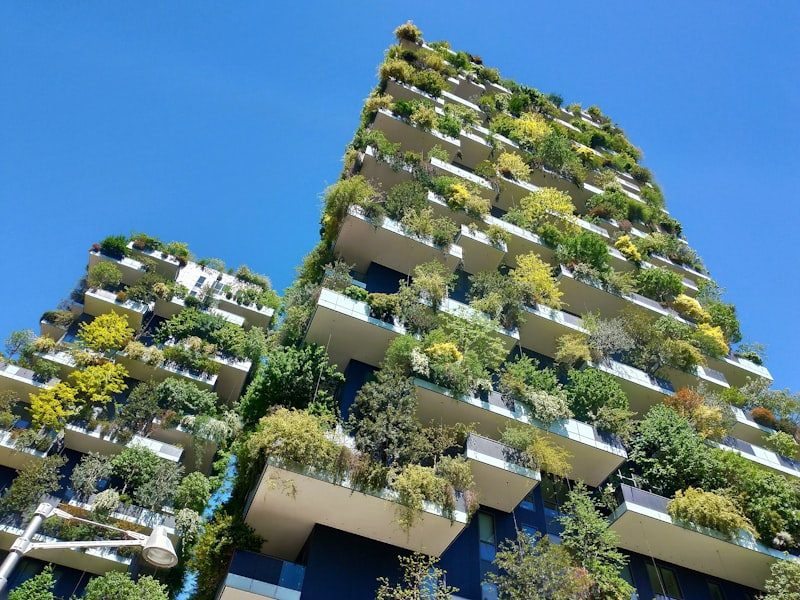
Milan gave its council chamber to the swifts and the bees
For one Friday in June, about fifty wild species had someone speaking for them inside the city hall.
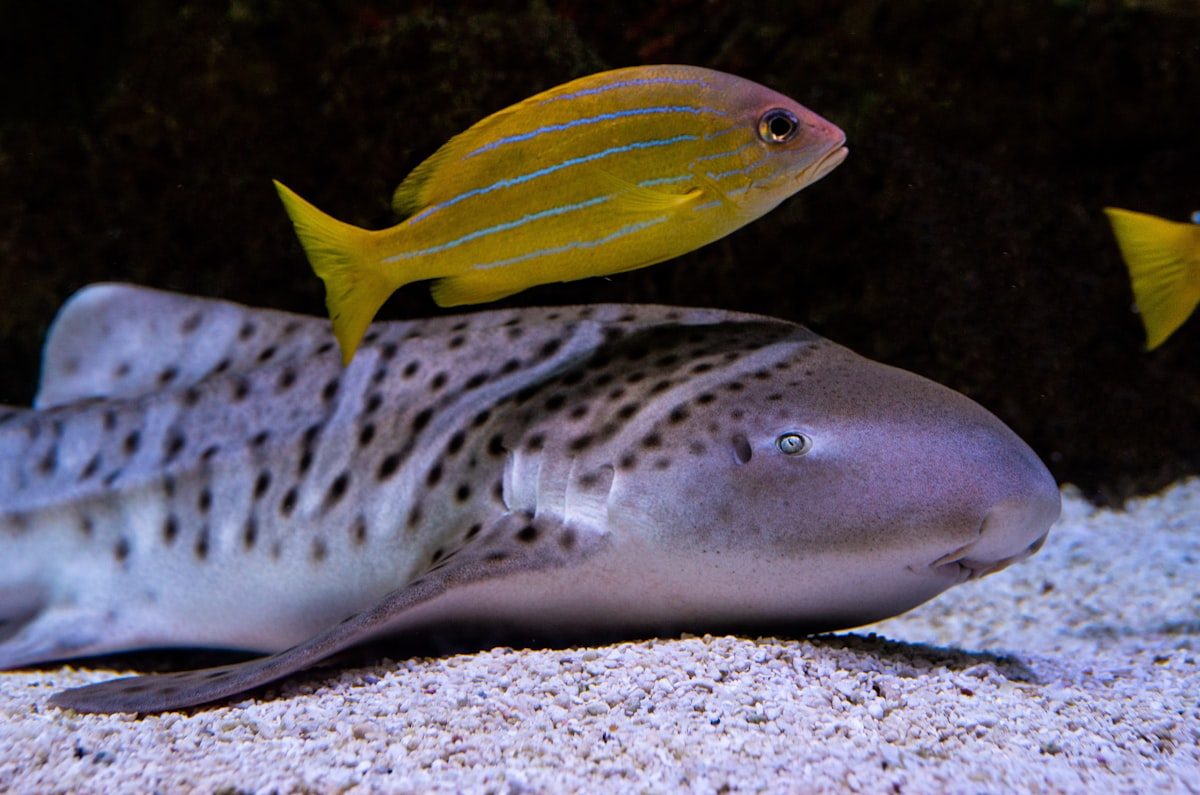
The underwater highway at Julian Rocks
Our founder's favourite swim in the sea off Byron Bay: leopard sharks, flying turtles, and the community that won this reserve in 1982.
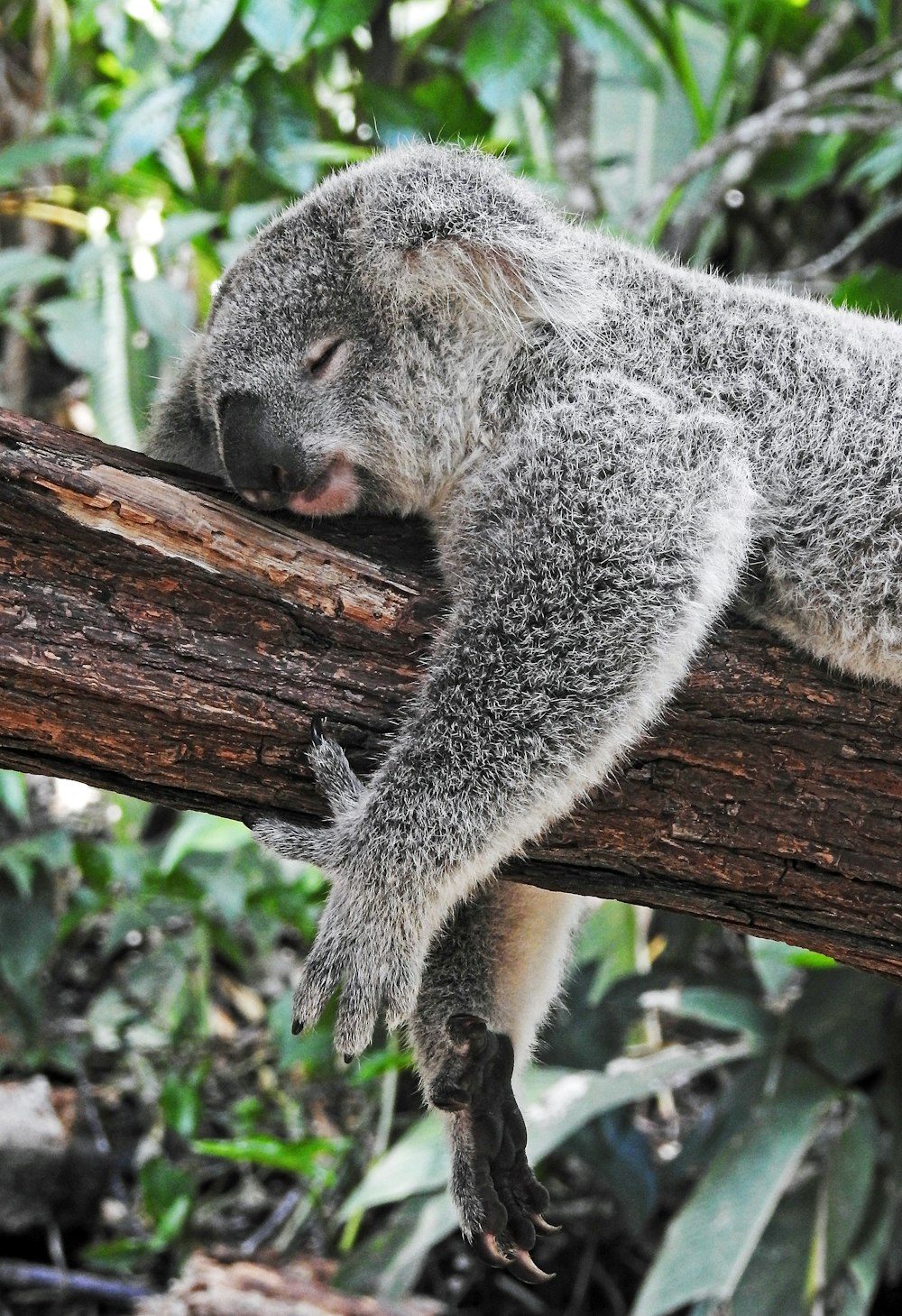
The koalas that grew their diversity back
Victoria's koalas came back from about five hundred animals, and what happened next surprised everybody.
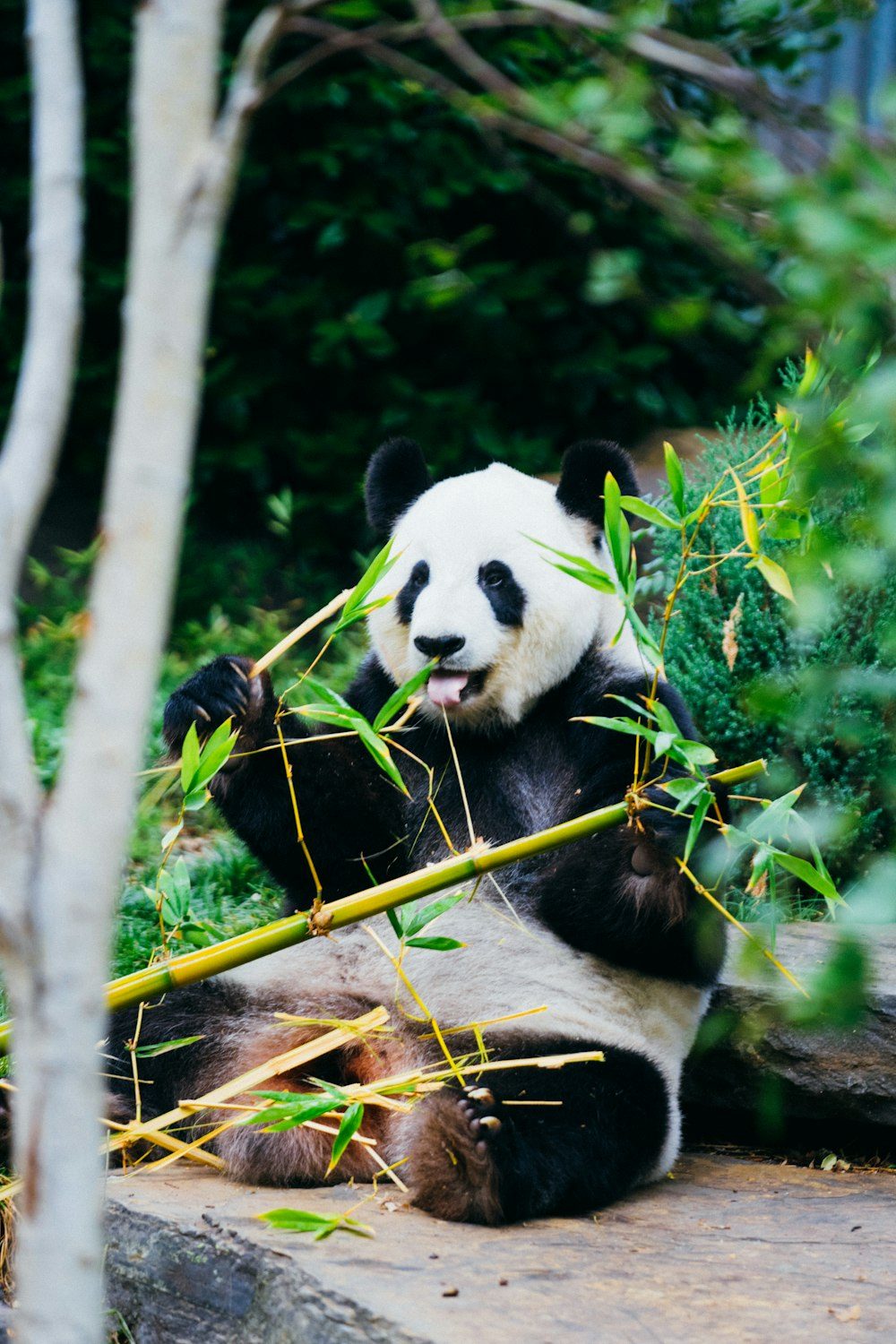
The corridors that let the pandas walk home
Six green pathways now join thirteen panda families that spent decades stranded apart.
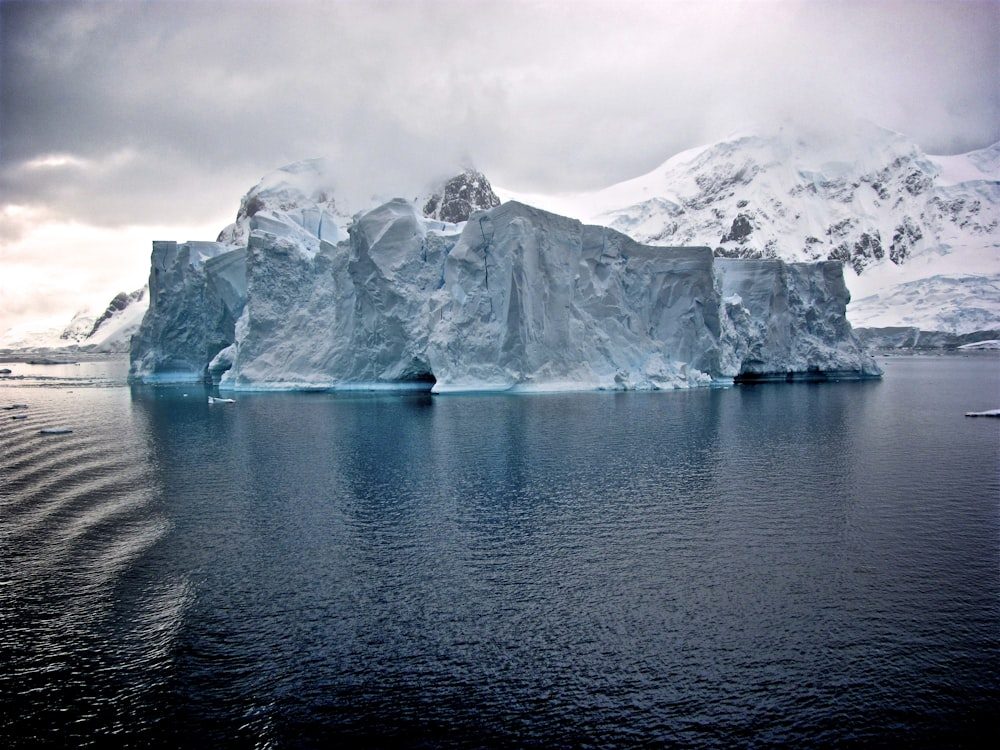
The dolphin that swam in a warmer Antarctica
A thirty million year old skull has come to Canberra, carrying news from a very different south.
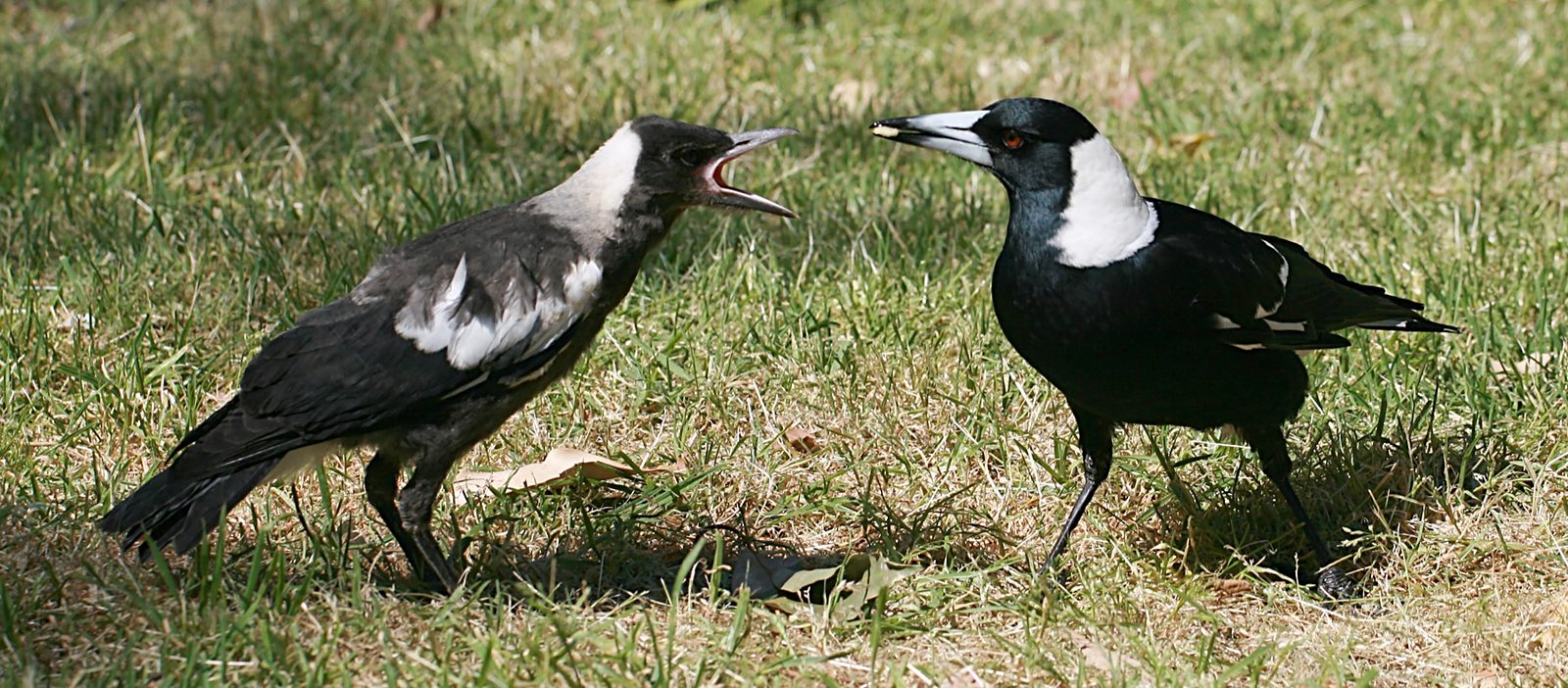
The magpie family next door
They hold the same patch of ground for twenty years, and they know exactly who you are.
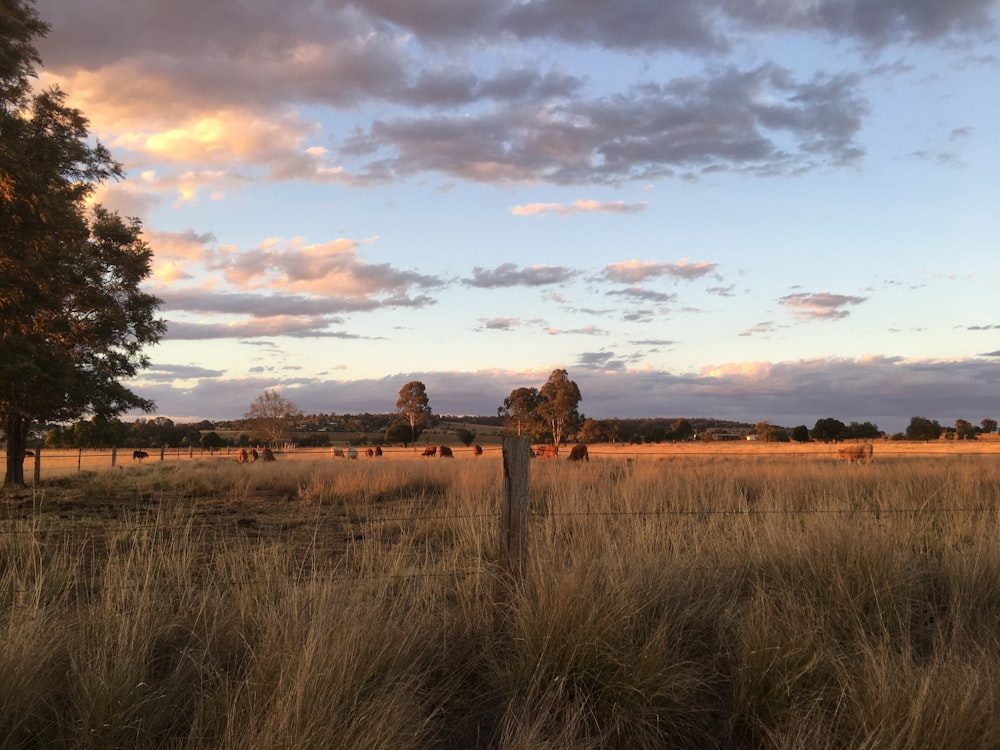
The young farmers rewriting life on the land
Buffalo dairies, soil first grazing, and a country school where the classroom is a working farm.
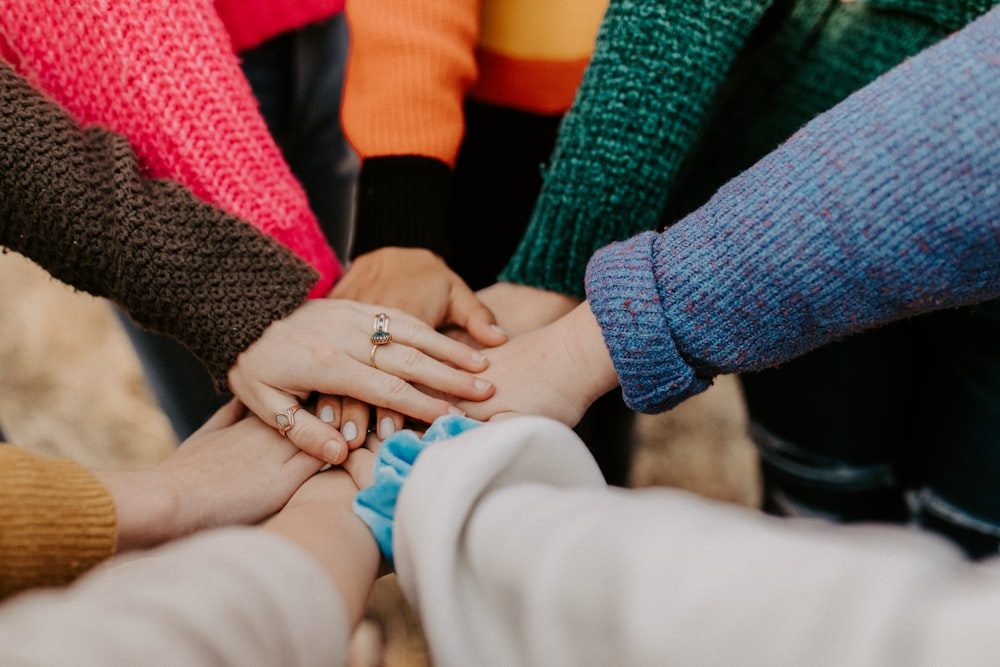
Seventeen good ideas and a room to hold them in
In Canberra it turned out that connection needed very little: a venue, an instructor and an open door.
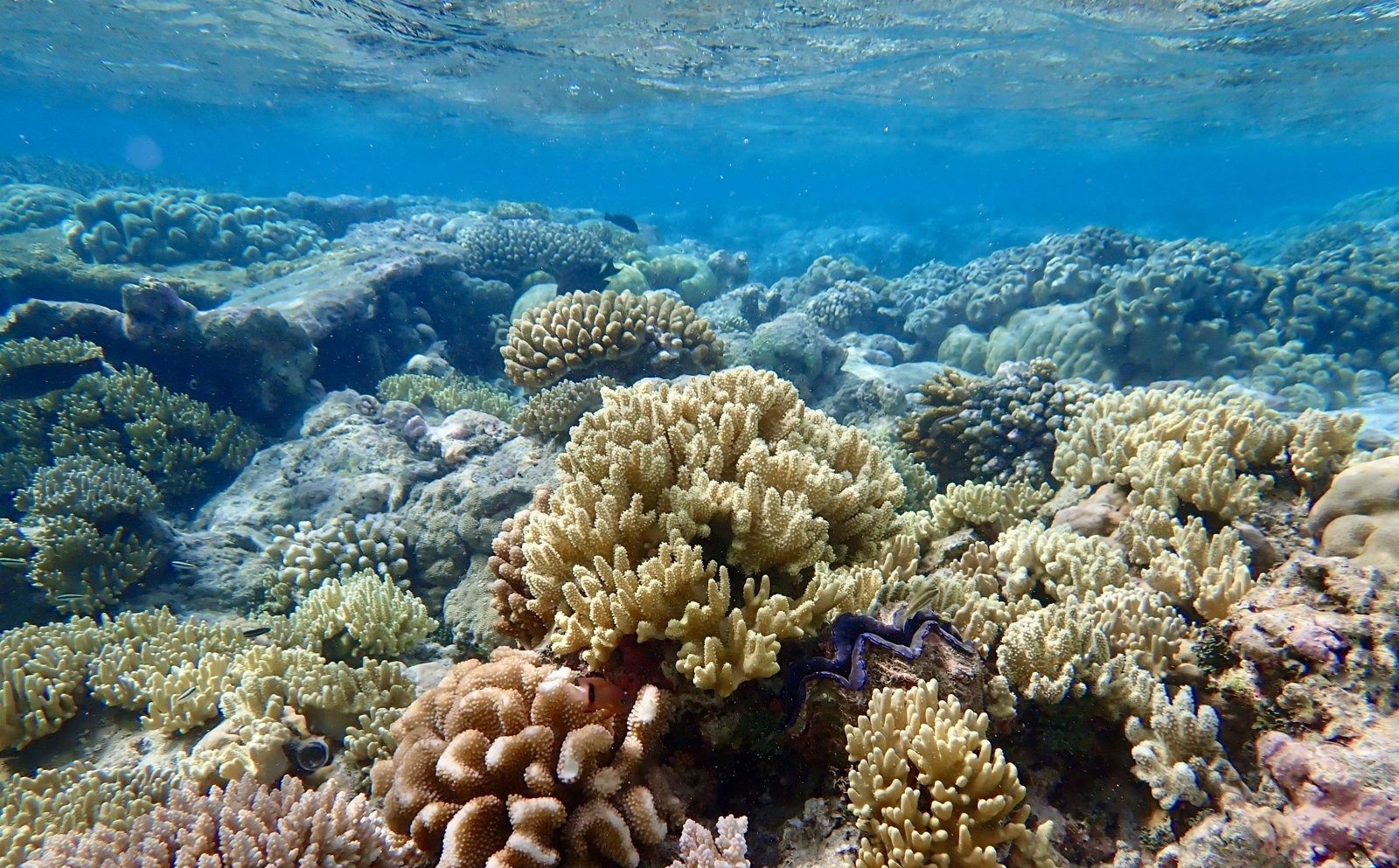
The reef where the fish dance
Nic's first Places to Explore column: a volunteer cleanup week in the Cocos Keeling Islands.
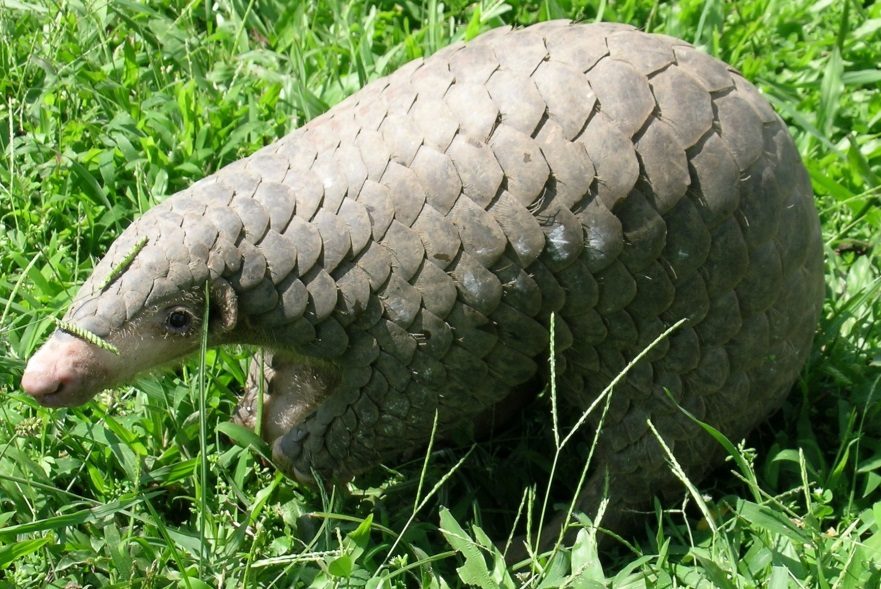
The sacred forest kept a beautiful secret
A revered little forest in Nepal shelters one of the rarest mammals on Earth.
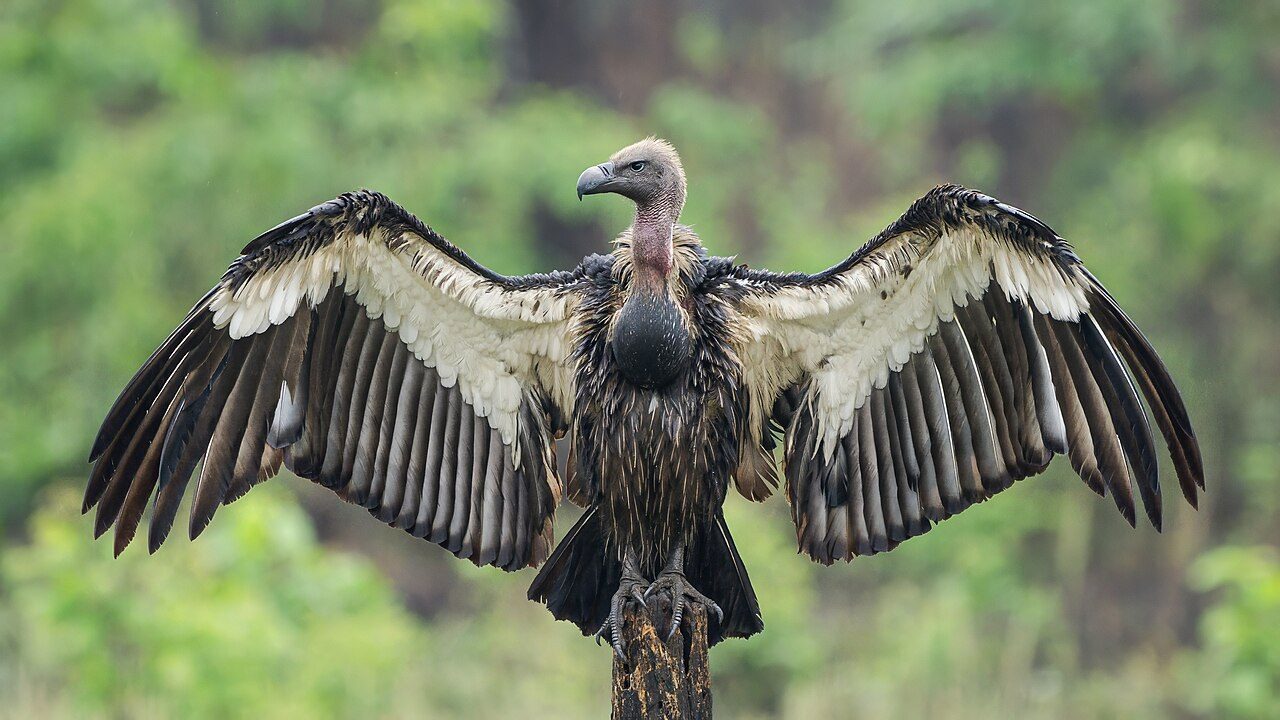
The sanctuary where the rarest vultures are raising chicks again
After ten years away, Cambodia's rarest vulture just flew back in.
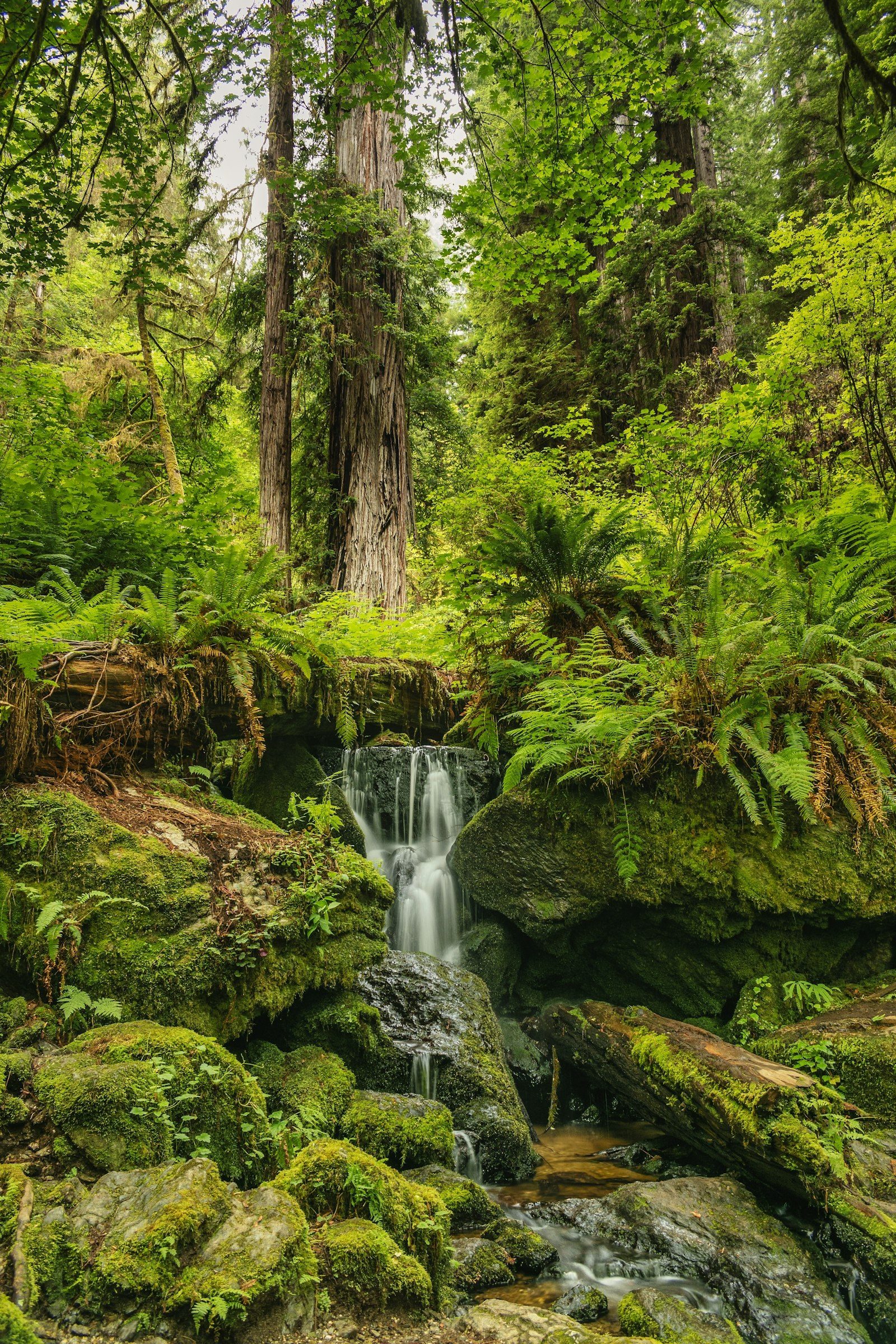
The forest that is learning to listen
Indigenous led teams in Peru are guarding wildlife with tiny AI ears in the canopy.
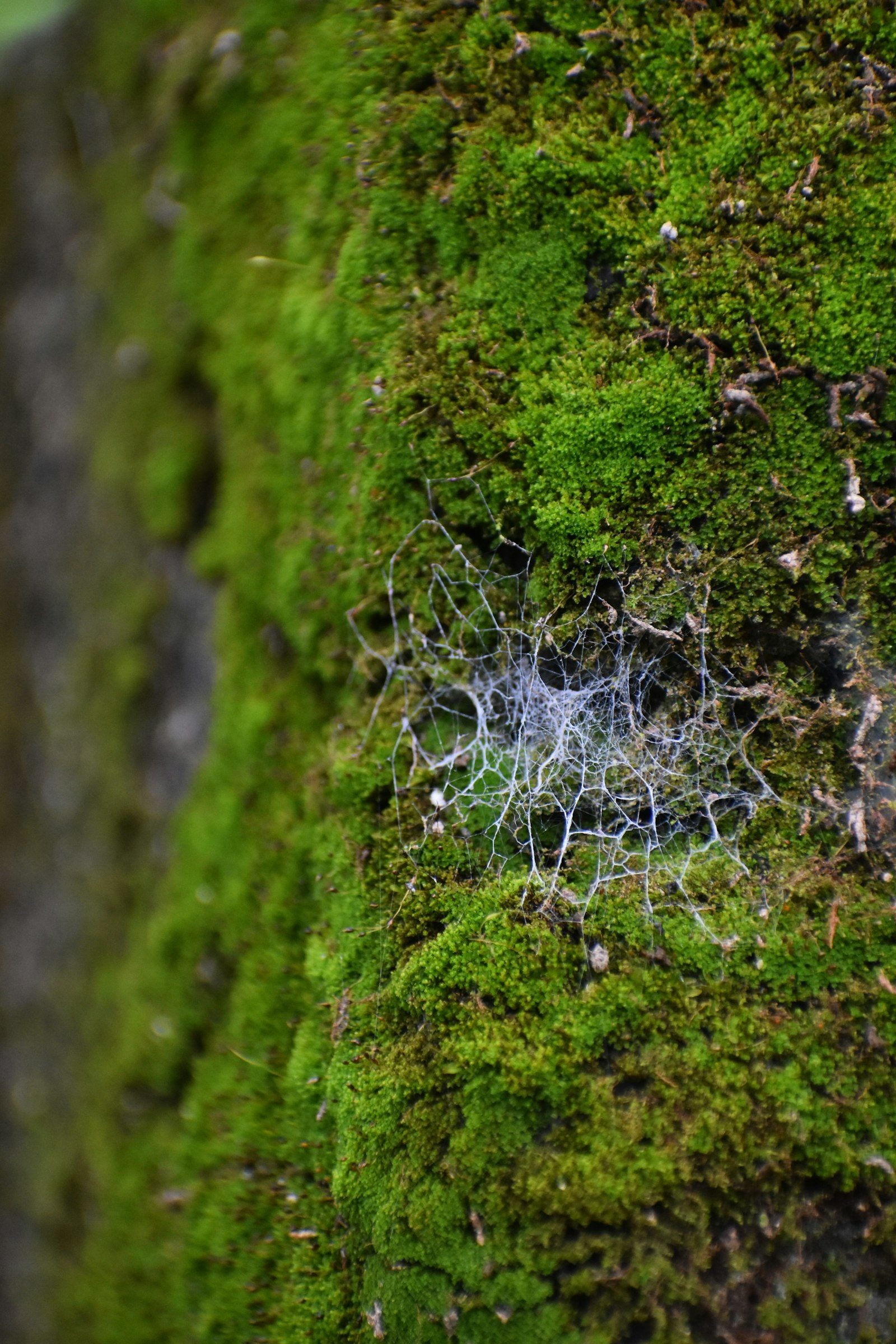
The farmers healing their fields with fungi
Pilot farms are seeding their soils with fungal networks.
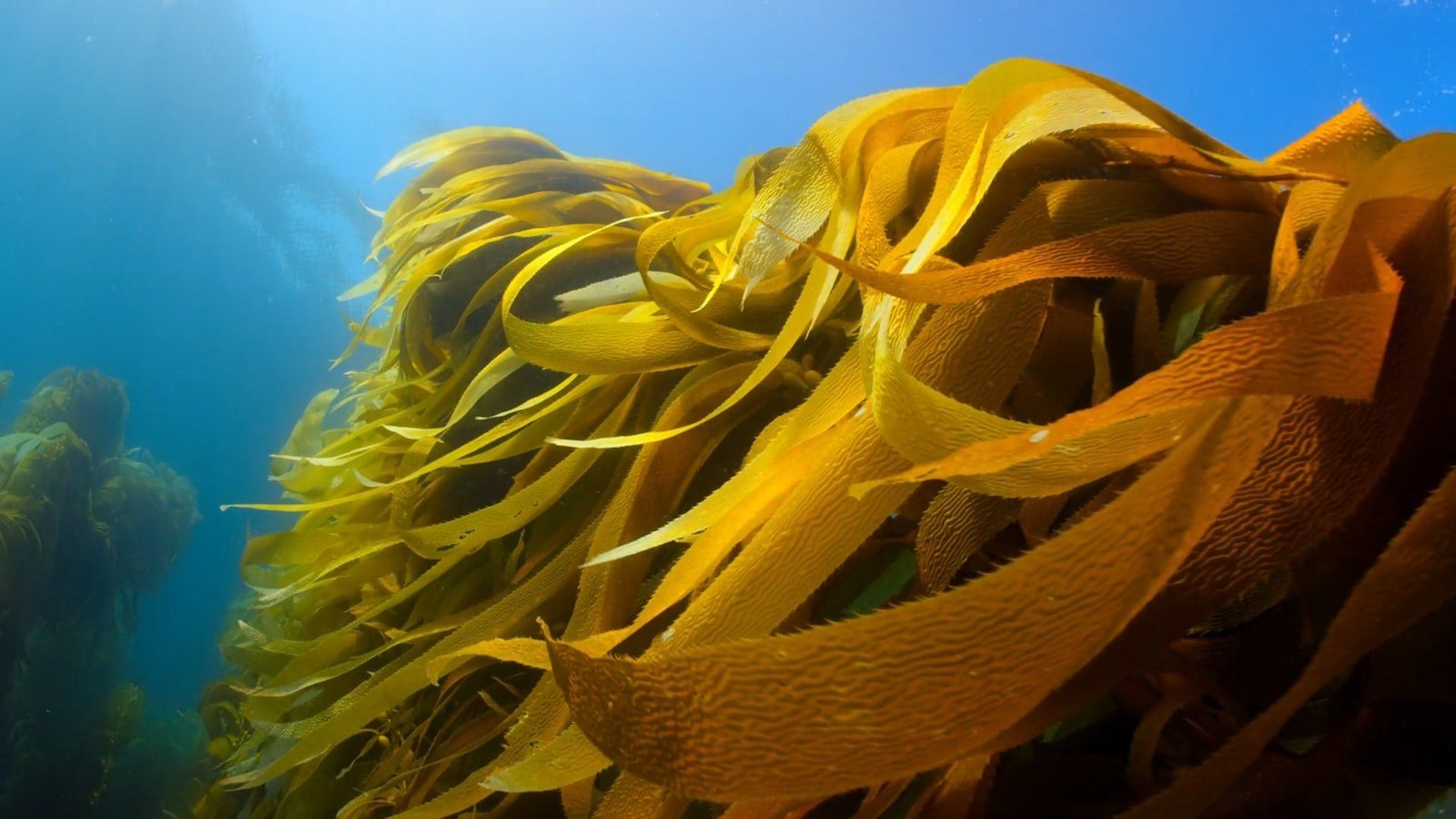
The islands you can only reach by boat
Five wild islands an hour from Los Angeles, kelp cathedrals below.
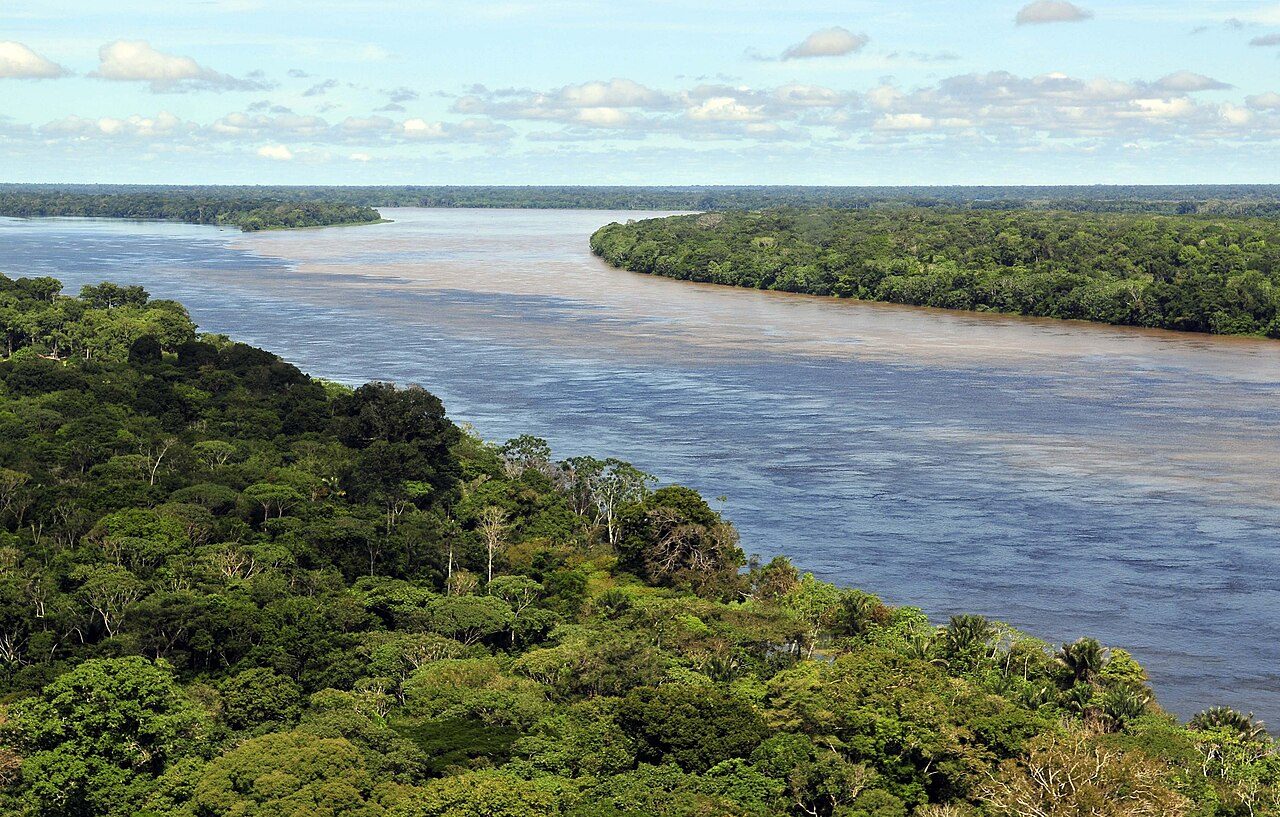
The Amazon is breathing easier this year, protection up 38 per cent
Brazil's best six months for the rainforest in a decade.
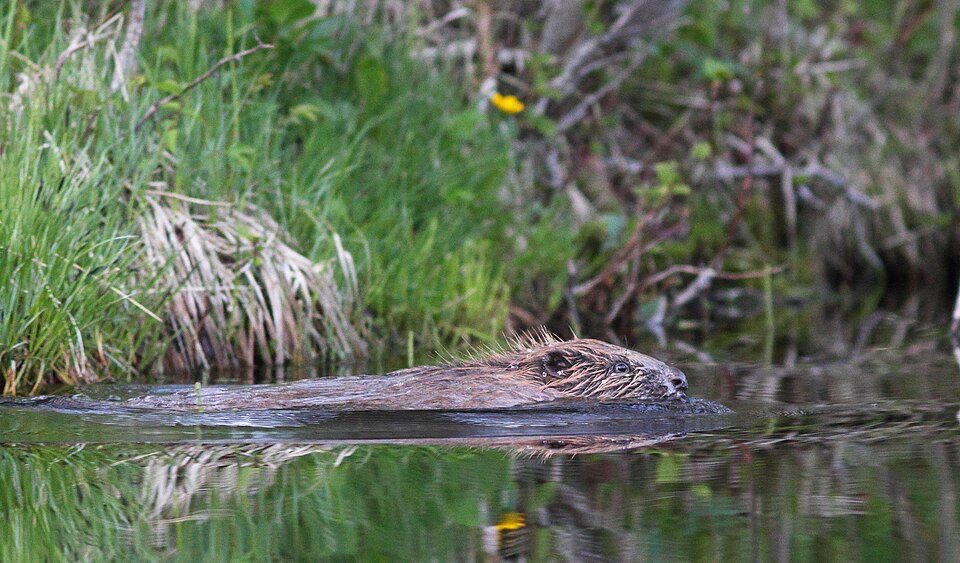
Britain's rivers are getting their engineers back
After 400 years away, the beavers are building again.

Europe just set a record for setting rivers free
Six hundred barriers gone in a year, and the fish are already home.

Paris made its river swimmable again
For the second summer running, Parisians are swimming in the Seine.

The Simpson Desert returns to the care of its first people
An area two thirds the size of Tasmania becomes Australia's newest Indigenous Protected Area.

The day the logging stopped for nine emu eggs
Fewer than fifty coastal emus remain in northern NSW. Then a forestry officer found a nest.
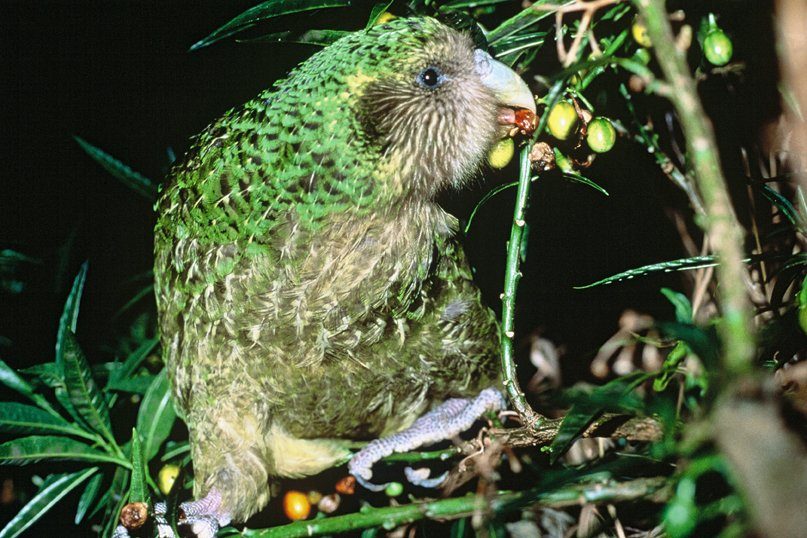
The kākāpō just had the best breeding season in its history
More than one hundred chicks for a parrot with only 235 adults left in the world.

The largest animals on Earth are quietly coming back
Blue whales and fin whales are being seen again off southern Africa.

The forest that grew back while nobody was looking
Massachusetts went from about 90 per cent cleared to 60 per cent forested, by being left alone.

The Karajarri people just became guardians of their own sea country
Australia's first Sea Country Indigenous Protected Area covers 237,489 hectares of Kimberley coast and ocean.

A California beach is going wild again, and it is still yours
Santa Monica has rewilded eight acres of its famous sands into living dunes, and a threatened shorebird is back.

London welcomes the storks home after 600 years
For the first time in roughly six centuries, white storks are set to fly over London again, part of a bright plan to bring nature back into the city.

In Ukraine, the wild horses are coming back
Near the Black Sea, a team is breathing life back into old farmland, welcoming home wild horses, deer and kulan, and this spring, a rare foal.

Illinois makes rewilding the law
Illinois has become the first US state to write rewilding into law, giving nature room to return across the prairie state.

The world's rarest wombat has a new joey
A trail camera in outback Queensland has captured precious cargo: one of only 450 northern hairy nosed wombats, with a joey in her pouch.

Leopards are making a comeback in West Africa
In Benin's Pendjari National Park, leopard numbers have more than tripled in six years. Researchers call it a win against long odds.

Sea turtles are bouncing back
Decades of protection are paying off. In Indonesia's Kei Islands, turtle and nest harvesting has fallen 85%, and populations are rebounding.

Rio's 'empty forest' is filling with life again
Conservationists are returning the animals a forest needs to thrive: agoutis, tortoises, howler monkeys, and macaws not seen there for 200 years.

A new ocean sanctuary the size of France
French Polynesia granted its highest level of protection to 520,000 km² of ocean, where no mining, trawling or industrial fishing is allowed.

Europe hits a clean energy tipping point
For the first time, wind and solar generated more of the EU's electricity than fossil fuels, a milestone reached years ahead of expectations.

A turning point for the world's mangroves
Coastal communities and conservationists are restoring mangrove forests, vital nurseries for sea life and powerful natural carbon stores.