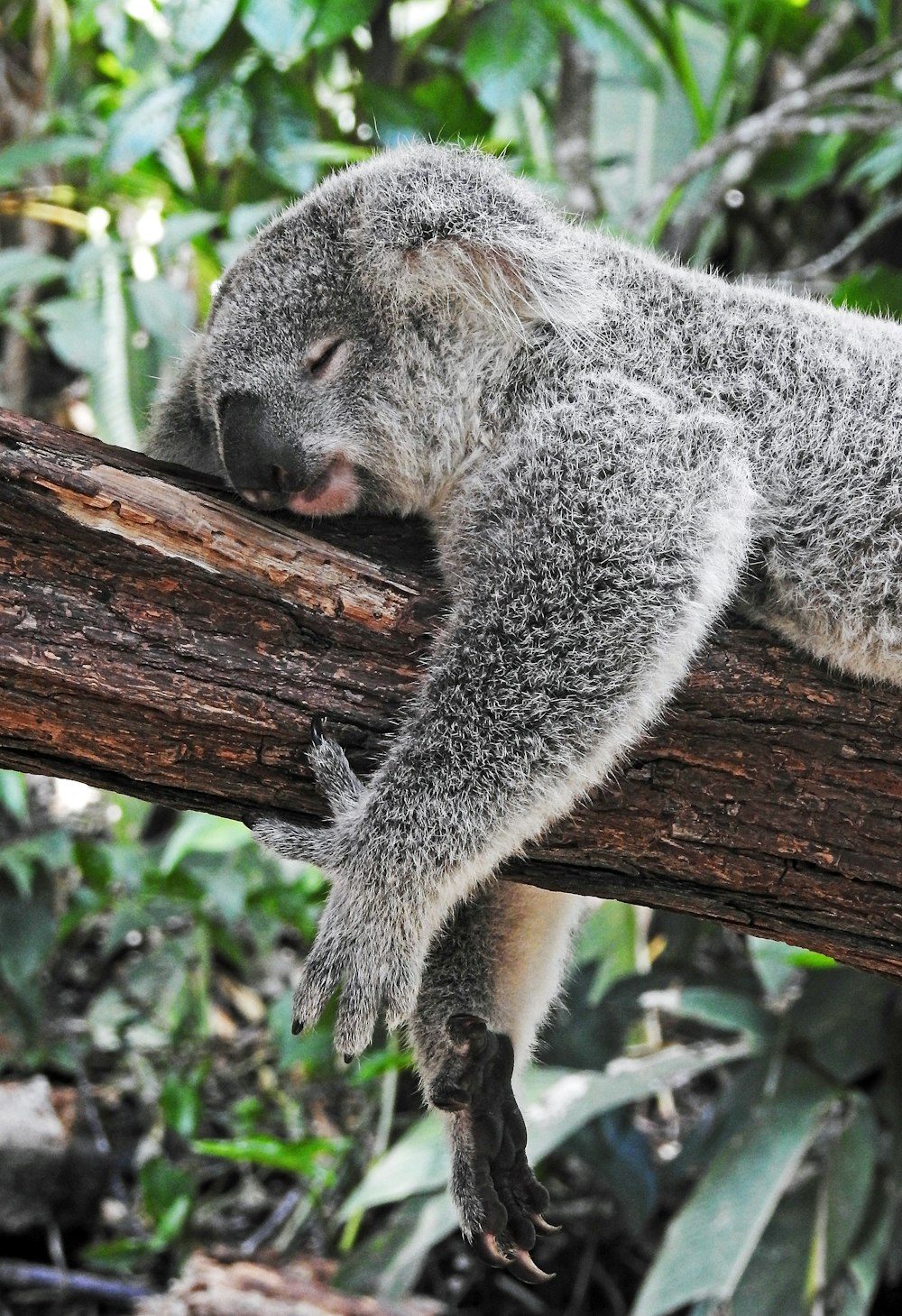
The koalas that grew their diversity back
A little over a century ago the koalas of Victoria had come down to roughly five hundred animals. A handful were moved to islands for safekeeping, and later their descendants were carried back to the mainland to begin again. They did more than begin. By 2020 the southeastern population had climbed to somewhere near half a million, and the recovery has been so fast that this year the official estimate for Australia's listed koala population was revised sharply upward, to between 398,000 and 569,000.
Then came the surprise. A crash that severe usually leaves a species genetically threadbare for centuries, because the survivors carry only a sliver of the original variety between them. So a team led by Collin Ahrens at Cesar Australia, working with researchers at the University of Sydney, read the genomes of 418 koalas across 27 eastern populations, expecting to find that thinness. Instead they found that the sheer speed of the rebound, with so many animals meeting and pairing in so few generations, had shuffled the remaining genes into a wealth of new combinations. Their paper was published in the journal Science in March 2026. Science News has since reported that tooth and testicular malformations, common in Victorian koalas in earlier decades, appear to have become less frequent as the population's genetic makeup shifted. Queensland and New South Wales koalas still need every bit of help going, and one researcher gently calls this first aid rather than a cure. But it is a genuine and hopeful thing to know: give a species room and time, and life is remarkably good at reassembling itself.
Read the sources: the study in Science · University of Sydney summary · Science News report
The corridors that let the pandas walk home · Wildlife
The sanctuary where the rarest vultures are raising chicks again · Conservation
The sacred forest kept a beautiful secret · Conservation
Good news travels when people pass it on. Get our stories free twice a week, send this one to someone who needs it. And if this story made your morning, you can buy us a coffee. It helps keep these good news stories travelling across the globe.
Subscribe free Send to a friend Shout us a coffee