The sacred forest kept a beautiful secret
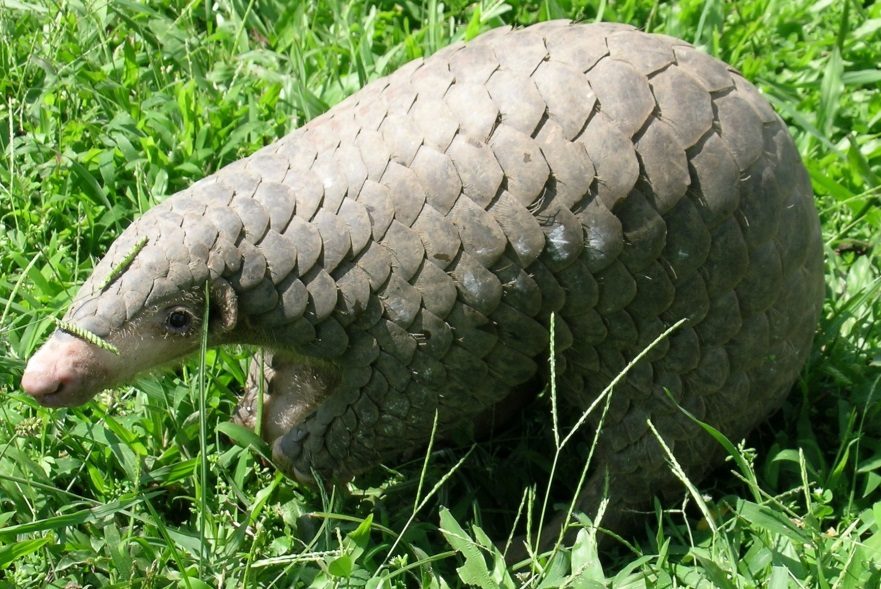
In the Sunsari district of eastern Nepal there is a small forest called Panchakanya, held sacred by the local Hindu and Kirat communities and cared for accordingly, generation after generation. In January 2025 researchers quietly placed camera traps along its trails and beside its burrows, and one night the cameras caught something wonderful: a Chinese pangolin, one of the most endangered mammals on Earth, ambling past in its suit of armour. It is the first time the species has ever been recorded in the district, and it brings the number of Nepali districts where this shy creature is known to live to twenty eight.
The team also counted nearly thirty burrows in the little forest, especially where the ants and termites are busiest, which suggests Panchakanya may be home to more than one. The finding, published this year in the conservation journal Oryx, carries a lesson bigger than one animal: even small patches of forest outside national parks can be a refuge for the world's rarest wildlife, especially when a community loves a place enough to leave it standing. The villagers of Sunsari were not trying to save a pangolin. They were keeping a promise to a forest, and the forest kept a promise back.
The sanctuary where the rarest vultures are raising chicks again · Conservation
The forest that is learning to listen · Conservation
Britain's rivers are getting their engineers back · Wildlife
Good news travels when people pass it on. Get our stories free twice a week, send this one to someone who needs it. And if this story made your morning, you can buy us a coffee. It helps keep these good news stories travelling across the globe.
Subscribe free Send to a friend Shout us a coffee