The forests that fit in a schoolyard
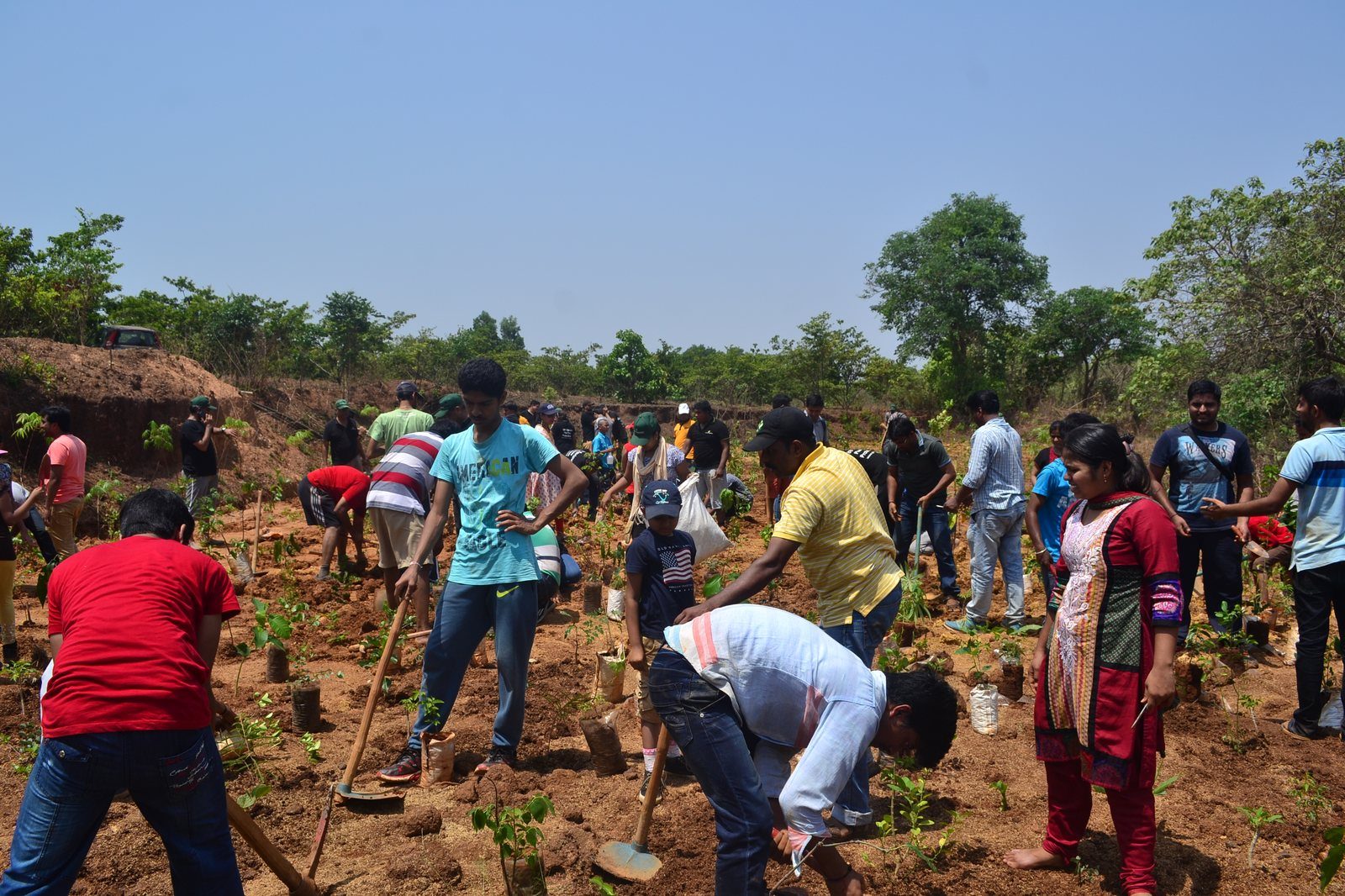
A pocket forest is exactly what it sounds like: a patch of city ground, sometimes no bigger than a classroom, planted so densely with native species that it becomes a genuine wild place, cool, loud with insects, alive. The organisation SUGi has now made them in 62 cities around the world, and their favourite builders are children: more than 90,000 children and young people have helped plant and tend them, learning their local species by putting them in the ground.
The little forests work hard for their size: they cool streets in heatwaves, drink stormwater, house birds and pollinators, and give city kids somewhere wild within walking distance. The method traces back to the Japanese botanist Akira Miyawaki, who showed that dense, native, layered planting can raise a young forest in decades rather than centuries. A forest that fits in a schoolyard, planted by the school: that is the whole idea, and it is spreading.
The towns that turned their lights off · Nature
Australia just met its own pollinators · Nature
The seeds that think the lightning came · Innovation